Coolant Flush Cost by Vehicle
A coolant flush is mostly labor plus a few gallons of the right coolant. Bigger engines hold more coolant, and some models need a specific coolant type or a special bleeding procedure, which is where prices spread out.
| Vehicle (common years/engine) | Coolant | Labor | Total |
|---|---|---|---|
| Toyota Corolla | $30 – $60 | $80 – $140 | $110 – $200 |
| Honda Civic | $30 – $60 | $80 – $140 | $110 – $200 |
| Toyota Camry | $35 – $70 | $90 – $160 | $125 – $230 |
| Honda Accord | $35 – $70 | $90 – $160 | $125 – $230 |
| Honda CR-V | $35 – $70 | $90 – $160 | $125 – $230 |
| Toyota RAV4 | $35 – $70 | $90 – $160 | $125 – $230 |
| Nissan Altima | $35 – $70 | $90 – $160 | $125 – $230 |
| Chevy Equinox | $40 – $75 | $100 – $170 | $140 – $245 |
| Jeep Wrangler / Grand Cherokee | $45 – $85 | $100 – $180 | $145 – $265 |
| Ford F-150 | $50 – $95 | $110 – $190 | $160 – $285 |
| Chevy Silverado 1500 | $50 – $95 | $110 – $190 | $160 – $285 |
| BMW 3 Series | $60 – $110 | $130 – $250 | $190 – $360 |
These are estimates for a full flush at an independent shop on common model years and engines. A basic drain-and-fill usually costs less; dealer prices usually cost more.
Cost Breakdown: Parts vs. Labor
Most sources land in the same zone. Jerry puts the average cooling system flush at about $173 to $184, with a basic drain-and-fill at $80 to $150. AutoNation Mobile Service quotes $130 to $270 for a complete flush. RepairPal’s coolant-change estimates run higher, from about $243 to $308 for a Camry up to $587 to $672 for an F-150, because they assume OEM coolant and dealer-style book labor. For most cars at an independent shop, about $180 is a realistic middle.
Drain-and-fill vs. full flush
- Drain-and-fill: the radiator is drained and refilled. It is quick and cheap, but it usually replaces only part of the old coolant because some stays in the engine block and heater core.
- Full flush: the system is flushed with water or a cleaner (sometimes by machine), then refilled with fresh coolant. Jerry notes a machine flush typically adds $30 to $80 over a drain-and-fill.
Parts
- Coolant: about $15 to $30 per gallon for most types; compact cars hold roughly 1.5 to 2.5 gallons, trucks 3 to 4 or more.
- OEM coolant (Toyota, Honda, BMW and others) often costs more than universal coolant, and many owners prefer it for warranty peace of mind.
- Flush chemical and disposal fees: usually $10 to $40 combined.
Labor
A flush takes about 0.6 to 1.5 hours. At $110 to $150 per hour at an independent shop, labor is usually $80 to $190. Cars that need a vacuum fill or electric-pump bleeding procedure can take longer.
| Where | Typical total | Notes |
|---|---|---|
| Quick lube / chain shop | $100 – $200 | Often machine flush; confirm the coolant type |
| Independent shop | $130 – $240 | Drain-and-fill or flush, $110–$150/hr |
| Dealer | $170 – $350 | OEM coolant, $150–$220/hr |
| DIY | $40 – $100 | Coolant, distilled water, funnel |
What Affects Coolant Flush Cost
Vehicle type and system capacity
A small four-cylinder holds far less coolant than a V8 truck. More coolant means higher parts cost and sometimes more time to bleed air out.
Coolant type
Older cars often use green IAT coolant, while most modern cars use long-life OAT or HOAT coolants. Some brands specify their own formula. Using the wrong type can shorten the life of seals and the water pump.
Service type
A drain-and-fill is cheapest. A machine flush or a multi-step flush costs more. A neglected system with rust or sludge may need more than one flush.
Shop type and region
Quick-lube shops and independents are usually cheaper than dealers. Labor is highest in the Northeast and on the West Coast.
Related parts replaced at the same time
Many drivers replace the radiator cap, a worn hose or the thermostat during a flush, since the coolant is already out. If the shop finds a leak, it may recommend a water pump or radiator before refilling.
What a Coolant Flush Includes
- Inspection of hoses, clamps, the radiator cap and the coolant condition.
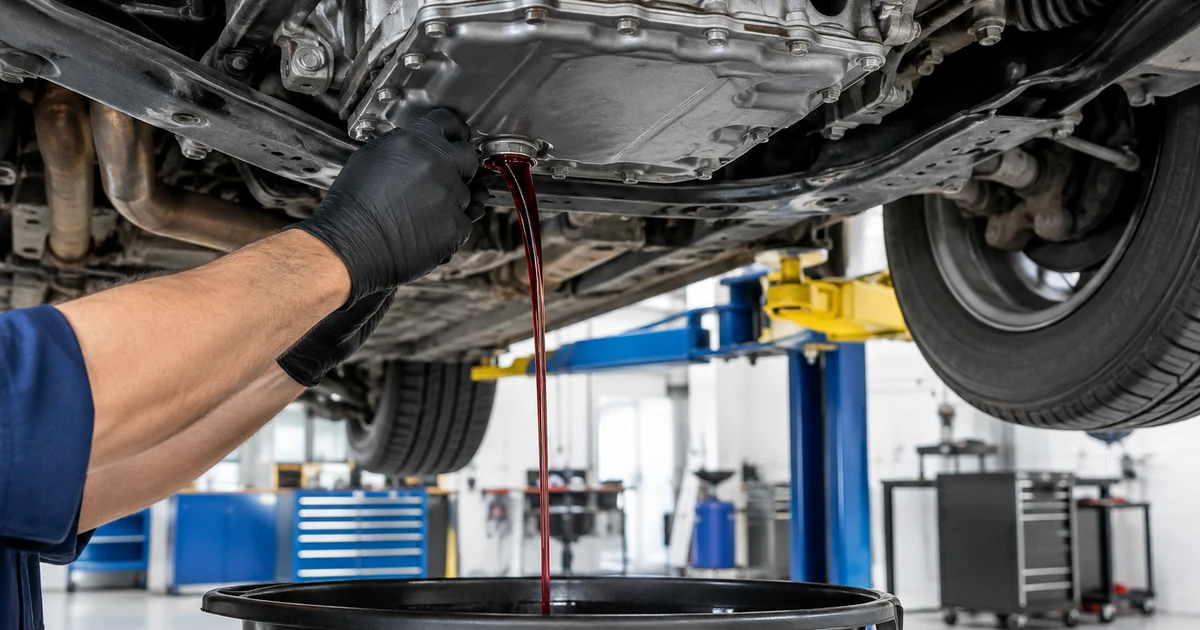
- Draining the old coolant from the radiator, and sometimes the engine block.
- Flushing the system with water or a cleaning solution, by hand or with a machine.
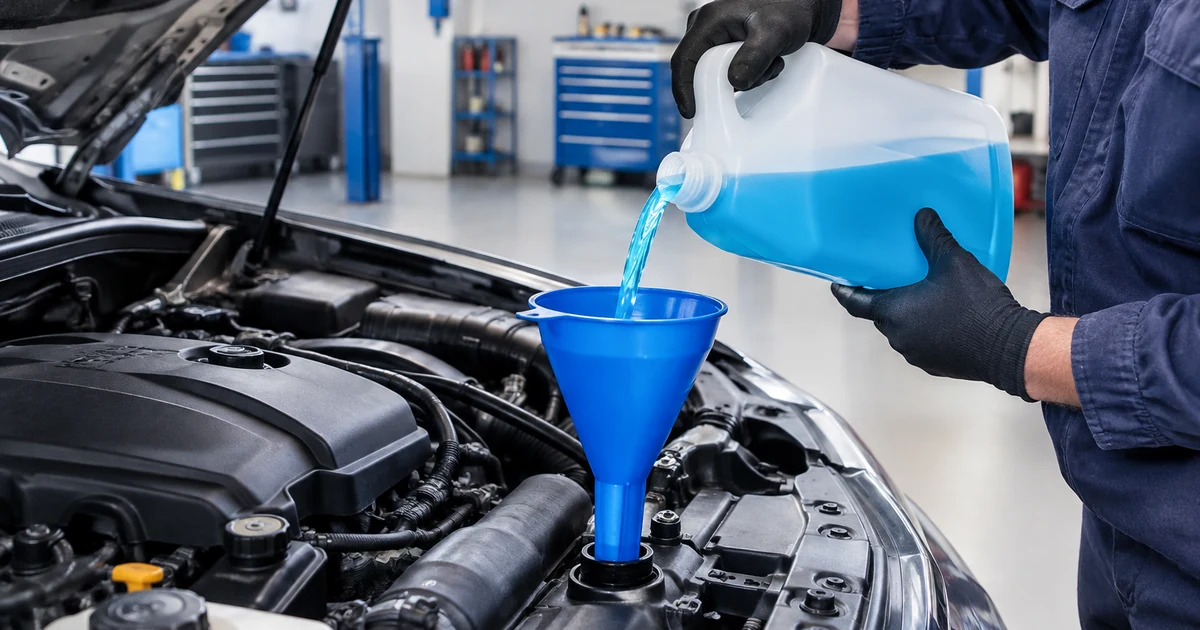
- Refilling with the correct coolant mixed to the right strength.
- Bleeding air and test-driving to confirm normal temperature and no leaks.
If a quote does not mention the coolant type or bleeding the system, ask before you approve it.
How Often Do You Need a Coolant Flush?
It depends on the coolant. As a general guide, older green IAT coolant was changed about every 2 years or 30,000 miles, while many modern long-life coolants last about 5 years or 100,000 miles, and some factory coolants go 10 years. Toyota and Honda long-life coolants, for example, have first intervals of around 10 years or 100,000 to 120,000 miles. Your owner’s manual is the final word. Shops that recommend a flush every oil change or every year on a modern car are usually selling more than you need.
Signs You Need a Coolant Flush
- You are at or past the interval in your owner’s manual
- Coolant looks rusty, brown or sludgy instead of clean and bright
- Floating debris or oily film in the reservoir
- Temperature gauge running higher than normal
- Weak cabin heat, which can mean a partly clogged heater core
- Sweet smell after driving, which usually means a leak, not just old coolant
Coolant that looks milky or oily is not a flush problem. It can mean a head gasket or oil cooler failure, so have it diagnosed before paying for new coolant.
Can You Drive With Old Coolant?
For a while, yes. Old coolant does not usually cause a sudden breakdown. Over time, though, its corrosion inhibitors wear out, and it can eat away at the radiator, water pump and heater core. That turns a $150 to $250 service into a repair that can cost several hundred dollars or more. Low coolant is a different story: if the level is low or the engine is overheating, stop driving and find the leak. Never open the radiator cap on a hot engine.
DIY vs. Taking It to a Shop
Difficulty: 2 out of 5 on most cars.
- Time: 1 to 2 hours for most DIYers, including bleeding air.
- Tools: drain pan, basic hand tools or pliers, the correct coolant, distilled water, and a spill-free funnel to burp air from the system.
- Savings: about $40 to $100 in coolant and supplies versus $130 to $240 at a shop.
- Watch out for: mixing coolant types, filling with tap water, and air pockets that cause overheating afterward. Some cars need a bleeder screw or a specific procedure.
Old coolant is toxic and tastes sweet to pets and children. Collect all of it and take it to a parts store or recycling center.
Is a Coolant Flush Worth It?
When it is due, yes. It is one of the cheaper ways to protect the radiator, water pump and heater core. A flush will not fix a leak, a bad thermostat or a failing water pump, so do not expect it to cure an overheating problem on its own. If the shop recommends a flush well before your manual’s interval and the coolant still looks clean, you can usually decline.
How to Save Money on a Coolant Flush
- Follow your owner’s manual, not a generic “every 30,000 miles” rule, if you have long-life coolant.
- Compare quotes from an independent shop and a dealer. Dealers sometimes run service coupons.
- Ask for a drain-and-fill if the coolant is clean and just due by age.
- Do it yourself on an easy-to-access car with a simple bleeding process.
- Bundle it with a thermostat, hose or radiator job to avoid paying for coolant twice.
- Buy the correct coolant yourself and ask an independent shop if it will install it.
Frequently Asked Questions
How much does a coolant flush cost?
Most drivers pay $100 to $300, and about $180 is typical at an independent shop. A basic drain-and-fill can be under $150, while dealers and European cars often run $250 to $350.
How often should you flush coolant?
Follow your owner’s manual. Many modern long-life coolants last about 5 years or 100,000 miles, and some factory coolants go 10 years. Older green coolant was typically changed every 2 years or 30,000 miles.
Is a coolant flush the same as a radiator flush?
Yes, the terms are usually used the same way. Both mean draining the old coolant, flushing the system and refilling it with fresh coolant. A drain-and-fill is a simpler, partial version.
Is a coolant flush really necessary?
When it is due by mileage or age, yes. Old coolant loses its corrosion protection and can damage the radiator, water pump and heater core. If a shop recommends it early and your coolant looks clean, you can usually wait until the scheduled interval.
Can I flush my own coolant?
On most cars, yes. It is a beginner-friendly job that takes 1 to 2 hours. Use the correct coolant type and distilled water, bleed out all the air, and dispose of the old coolant properly.
How long does a coolant flush take at a shop?
Usually 30 minutes to 1.5 hours. Cars with a complicated bleeding process or a very dirty system can take longer.