Car Wrap Cost by Vehicle
Wrap prices are driven by how much film the vehicle needs and how many curves, recesses and parts the installer has to work around. The table shows typical professional prices with quality cast vinyl.
| Vehicle | Full wrap (gloss/satin) | Matte or metallic full wrap | Partial wrap |
|---|---|---|---|
| Honda Civic / Toyota Corolla (compact) | $2,500 – $3,800 | $2,900 – $4,700 | $800 – $1,500 |
| Toyota Camry / Honda Accord (midsize sedan) | $3,000 – $4,500 | $3,400 – $5,600 | $1,000 – $2,000 |
| Nissan Altima (midsize sedan) | $3,000 – $4,500 | $3,400 – $5,600 | $1,000 – $2,000 |
| Tesla Model 3 (midsize sedan) | $3,000 – $4,500 | $3,400 – $5,600 | $1,000 – $2,000 |
| Toyota RAV4 / Honda CR-V (small SUV) | $3,200 – $4,800 | $3,600 – $6,000 | $1,000 – $2,000 |
| Chevrolet Equinox (small SUV) | $3,200 – $4,800 | $3,600 – $6,000 | $1,000 – $2,000 |
| Jeep Wrangler | $3,500 – $5,200 | $3,900 – $6,500 | $1,000 – $2,200 |
| Jeep Grand Cherokee (midsize SUV) | $3,500 – $5,000 | $3,900 – $6,300 | $1,100 – $2,200 |
| Ford F-150 / Chevrolet Silverado (pickup) | $3,500 – $5,200 | $3,900 – $6,500 | $1,000 – $2,200 |
| Chevrolet Tahoe (large SUV) | $3,800 – $5,800 | $4,300 – $7,200 | $1,200 – $2,500 |
| BMW 3 Series (luxury sedan) | $4,000 – $6,000 | $4,500 – $7,500 | $1,200 – $2,500 |
| Porsche 911 / Chevrolet Corvette (sports car) | $4,500 – $8,000 | $5,000 – $10,000 | $1,500 – $3,000 |
These are estimates for common model years in good condition, without door jambs. Kelley Blue Book lists sedans at $3,000–$4,500, small SUVs at $3,200–$4,500, pickups at $3,200–$5,000 and luxury vehicles at $5,500–$10,000, and installer price guides publish similar ranges. Chrome and color-shift films can push a full wrap well past these figures.
Cost Breakdown: Film vs. Labor
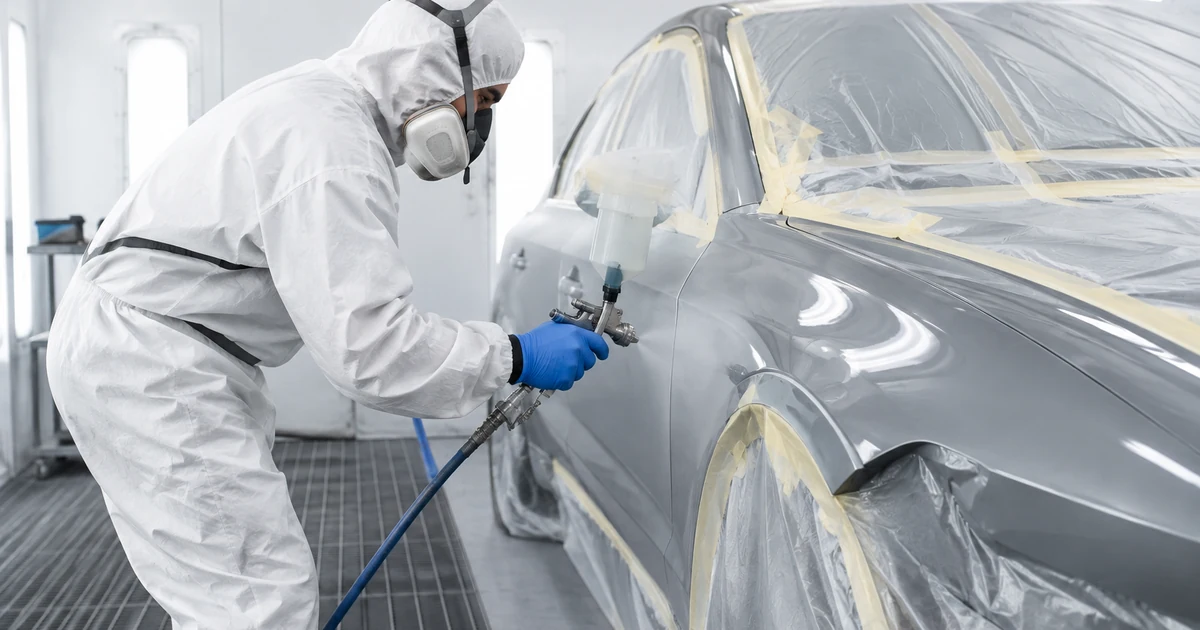
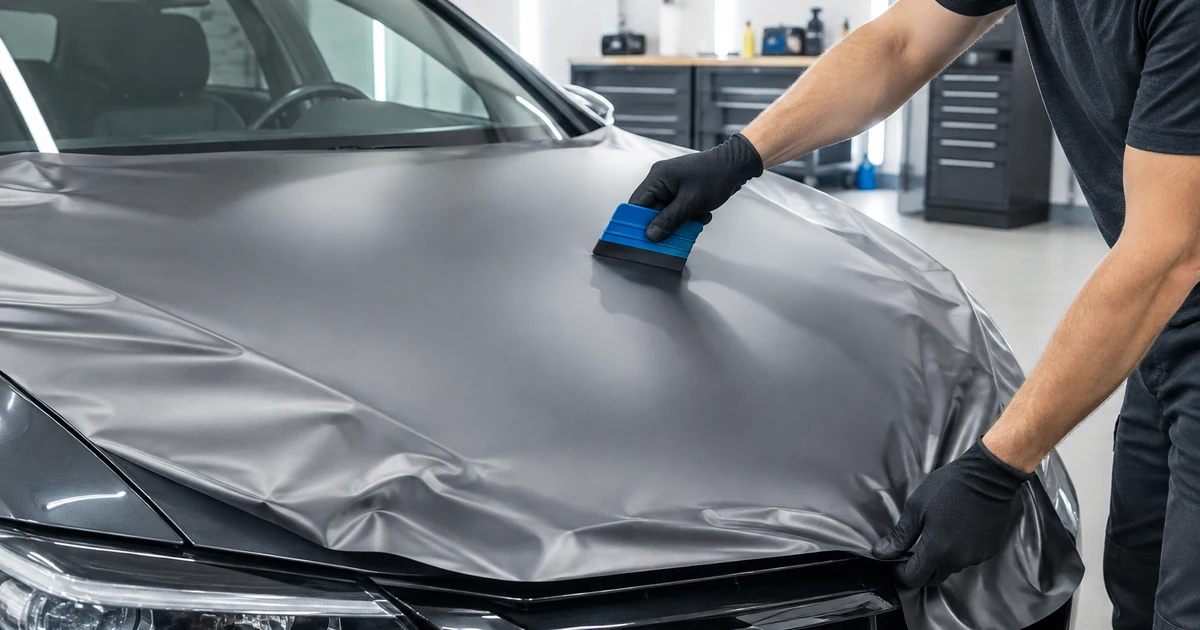
A wrap is mostly labor. Installers wash and decontaminate the paint, remove or work around door handles, mirrors, badges, lights and sometimes bumpers, then lay the film panel by panel, stretch it into recesses, trim it and post-heat the edges so they stay down. A full wrap usually takes two to five days in the shop.
- Film: a sedan typically needs several dozen linear feet of 60-inch-wide film, more for SUVs and trucks. KBB notes that standard colors from a major film maker run about $11–$15 per linear foot at retail, so the vinyl for a sedan is often several hundred to around $1,000. Specialty films cost more.
- Labor: KBB cites installer labor around $3–$4 per square foot and an all-in rate of about $12–$16 per square foot for labor and materials.
- Design: a plain color change has no design fee. Printed graphics and commercial wraps add design, printing and lamination costs.
| Type of wrap | Typical cost | Notes |
|---|---|---|
| Full color-change wrap, sedan | $3,000 – $4,500 | Most common job |
| Partial wrap (about half the car) | $1,000 – $2,000 | Often hood, roof and doors or a two-tone look |
| Roof and hood | $600 – $1,000 | Popular black-roof look |
| Roof only / hood only | $400 – $700 / $300 – $500 | Quick, one-day jobs |
| Chrome delete (window trim, badges) | $400 – $800 | Usually more on SUVs |
| Custom printed graphics | $3,000 – $6,000+ | Design and printing add cost |
Car Wrap vs. Paint: Cost and Tradeoffs
The wrap vs. paint decision usually comes down to whether you want something permanent or reversible.
| Vinyl wrap | Quality paint job | |
|---|---|---|
| Cost (midsize sedan) | $3,000 – $4,500 | $2,000 – $5,000 standard; $5,000 – $10,000+ premium |
| Typical lifespan | About 5–7 years | 10+ years with care |
| Reversible | Yes, can be removed | No |
| Protects factory paint | Yes, from chips and UV | Replaces it |
| Time in shop | 2–5 days | Several days to weeks |
| Finish options | Matte, satin, chrome, color-shift without big price jumps | Matte and specialty colors cost much more |
| Hides damage | No; dents, rust and peeling show through | Yes, after bodywork |
| Resale | Original paint underneath can help | Non-factory color can hurt |
A wrap is usually the better choice when your factory paint is in good shape and you want a new color, a matte or satin finish, or a look you may change later. Paint is the better choice when the existing finish is peeling, rusted or damaged, because film needs a smooth, sound surface. A budget repaint is cheaper than any full wrap, but it won’t look or last like a quality wrap.
What Affects the Price
Vehicle size and complexity
More surface area means more film and more hours. Deep bumper recesses, complex mirrors, spoilers and lots of trim, as on a Jeep Wrangler or a modern sports car, add labor.
Film type and finish
Premium cast films conform to curves and remove cleanly; cheaper calendered films are fine for flat graphics but shrink and lift on complex curves. Installer price guides put matte about 10–15% above gloss, metallic and chrome about 20–30% more, and color-shift about 30–50% more; true mirror chrome is often priced even higher because it is harder to install.
Door jambs and coverage
A standard wrap stops at the visible edges, so the old color shows when you open a door. Wrapping door jambs adds hours and cost, but it makes a color change look complete.
Paint condition
Film sticks to whatever is underneath. Chips, peeling clear coat or rust must be repaired first or they show through, and wrap removal can pull loose or poorly cured paint off with it.
Installer skill and region
Experienced, certified installers charge more, and their work tends to show fewer seams, cleaner edges and better removal later. Rates also run higher in big metro areas and on the coasts; use the estimator’s region setting to adjust.
How Long Does a Car Wrap Last?
Expect about 5 to 7 years from a quality wrap with good care, according to KBB and installer guides. One major film maker lists its color-change film as lasting up to 8 years on vertical surfaces but only about 1 to 3 years on horizontal surfaces like the hood and roof in harsh climates, because those panels take the most sun. Cars parked outdoors in the Southwest wear out wraps fastest.
Signs a wrap needs replacing
- Fading or chalky color, usually first on the roof and hood
- Cracking or shrinking film that pulls back from edges
- Bubbles or lifting that return after heating
- Stains from bird droppings or sap that won’t wash out
Old wraps should come off before they bake on, because sun-damaged film is harder to remove and more likely to leave adhesive. Professional removal of a full wrap typically costs a few hundred dollars and more if the film has cracked into small pieces.
How to care for a wrap
- Wait before the first wash; one film maker advises 72 hours after installation for its protective film.
- Hand wash with a mild, pH-neutral car soap that has no wax additives, then dry the car to avoid water spots.
- If you use an automatic wash, pick a touchless one and skip the hot wax; brushes can dull the film and lift edges.
- If you pressure wash, keep the pressure moderate (one maker cites a 1,200 psi maximum), use a wide spray pattern, stay at least 12 inches away and never aim at film edges.
- Don’t use abrasive polishes or traditional wax, which many installers say can dull matte and satin films.
- Clean off bird droppings, sap and bug residue right away, and park in a garage or shade when you can.
Wrap vs. Paint Protection Film
A color-change wrap and paint protection film (PPF) are different products. PPF is a thick, usually clear urethane film designed to absorb rock chips and scratches while letting the factory color show. It costs more per square foot than color vinyl. KBB puts partial front-end PPF plus ceramic coating at under $2,500 and full-car PPF plus ceramic coating at about $4,000–$7,000. Some colored and matte PPF products exist and can serve as both, at a premium price. If your goal is protecting a new car’s paint rather than changing its look, PPF on the front end is often the more practical spend.
DIY vs. Professional Installation
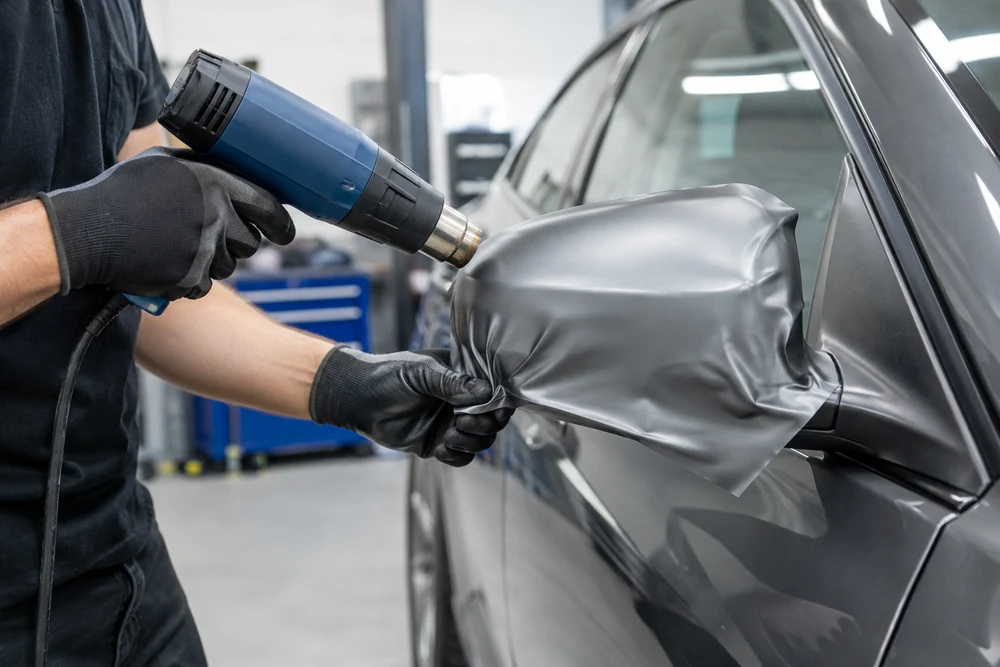
Difficulty: 5 out of 5 for a full wrap, 3 out of 5 for small flat pieces like a roof, mirror caps or trim. KBB calls a full wrap a job that isn’t a do-it-yourself task, and that matches what most people find: stretching film around bumpers and mirrors without wrinkles, overstretching or knife marks on the paint takes practice. Tools for small jobs are inexpensive: a felt-edge squeegee, a heat gun, wrap gloves, a precision knife, knifeless cutting tape and isopropyl alcohol for surface prep.
If you want to try, start with interior trim or a chrome delete on window trim before attempting a hood or roof.
Is a Wrap Worth It?
A wrap makes sense if your car’s paint is still good and you want a new look you can undo, or if you lease and must return the car in its original color. It’s harder to justify on an older car with failing paint, where the money is better spent on a repaint, or on a car that needs major mechanical work such as a head gasket or a transmission replacement soon. Glass is never wrapped like body panels, so a cracked windshield is a separate repair; see our windshield replacement cost guide.
How to Save Money on a Car Wrap
- Get at least three quotes and compare film brand line, warranty and whether jambs are included.
- Choose a gloss or satin color instead of chrome or color-shift.
- Consider a partial wrap, such as roof and hood, for a two-tone look at a fraction of the cost.
- Skip door jambs unless the color change is dramatic.
- Fix paint chips before wrapping so the job doesn’t fail early.
- Hand wash and avoid brush car washes and wax to get the full life out of the film.
Frequently Asked Questions
How much does it cost to wrap a car?
A full professional wrap typically costs $2,500 to $6,000, with most sedan and small SUV owners paying about $3,700 for a gloss or satin color change. Luxury and exotic cars can cost $5,500 to $10,000, and partial wraps start around $300 for a hood.
Is it cheaper to wrap or paint a car?
A budget paint job is cheaper than a wrap, but a quality full wrap and a standard quality paint job cost about the same for a midsize car, around $3,000 to $5,000. Matte and specialty finishes are much cheaper as a wrap than as paint.
How long does a car wrap last?
Most quality wraps last about 5 to 7 years with good care. Horizontal surfaces like the roof and hood wear out first, especially on cars parked outside in hot, sunny climates.
Does a wrap damage car paint?
A quality cast vinyl removed within its rated life generally comes off cleanly from sound factory paint. Repainted or poorly cured paint can lift during removal, and careless installers can leave knife cuts, so choose an experienced installer.
Can you take a wrapped car through a car wash?
Hand washing with a pH-neutral soap is best. If you use an automatic wash, choose a touchless one and skip hot wax; brush washes can scratch the film and lift edges.
How long does it take to wrap a car?
A full wrap usually takes two to five days, including prep, installation and post-heating. Small jobs like a roof or hood are often done in a day.
How much does it cost to remove a car wrap?
Professional removal of a full wrap typically costs a few hundred dollars. It costs more when old, sun-baked film cracks into small pieces or leaves heavy adhesive residue.