Brake Caliper Replacement Cost by Vehicle
Prices below are for replacing one front brake caliper at an independent shop with a quality remanufactured or new aftermarket caliper, including bleeding the brakes. They are estimates for common model years and engines; performance brake packages, heavy-duty trucks and dealer pricing run higher.
| Vehicle | Parts | Labor | Total |
|---|---|---|---|
| Ford F-150 | $120 – $300 | $190 – $290 | $310 – $590 |
| Chevrolet Silverado 1500 | $130 – $320 | $200 – $300 | $330 – $620 |
| Toyota Camry | $110 – $280 | $180 – $280 | $290 – $560 |
| Toyota RAV4 | $110 – $290 | $180 – $280 | $290 – $570 |
| Honda Civic | $90 – $250 | $170 – $260 | $260 – $510 |
| Honda Accord | $110 – $290 | $180 – $280 | $290 – $570 |
| Honda CR-V | $110 – $290 | $170 – $270 | $280 – $560 |
| Nissan Altima | $110 – $300 | $180 – $280 | $290 – $580 |
| Chevrolet Equinox | $110 – $290 | $180 – $280 | $290 – $570 |
| Jeep Grand Cherokee | $150 – $380 | $200 – $310 | $350 – $690 |
| Jeep Wrangler | $130 – $330 | $200 – $300 | $330 – $630 |
| Tesla Model 3 | $180 – $450 | $180 – $300 | $360 – $750 |
| BMW 3 Series | $220 – $600 | $210 – $340 | $430 – $940 |
Trucks and large SUVs use bigger, heavier calipers, and European cars often use more expensive parts and extra wear sensors. Many shops will quote a pair of calipers on the same axle rather than one, which usually brings the total to roughly $550 to $1,400 depending on the vehicle.
Cost Breakdown: Parts vs. Labor
A single caliper usually costs $80 to $450 for the part, and labor runs about $150 to $350. Book time is roughly 1 to 3 hours per caliper including the brake bleed, and more if the bleeder screw or mounting bolts are seized with rust. Most independent shops bill somewhere between $110 and $175 an hour, while dealers are usually higher.
Remanufactured vs. new vs. OEM calipers
- Remanufactured: the most common choice. An original caliper is cleaned, re-sealed and fitted with a new piston and seals. Cheapest option, and parts stores usually add a core charge (often $30 to $60) that you get back when you return the old caliper.
- New aftermarket: a newly cast caliper from an aftermarket brand. Often 10% to 20% more than a reman unit, with a cleaner finish.
- OEM (dealer) caliper: the factory part. Can cost two to three times as much as a remanufactured caliper on some cars, which is why dealer quotes often land at $800 or more for a single corner.
- Loaded calipers: some calipers are sold “loaded” with new pads and hardware already installed. Handy if you are replacing pads anyway.
Dealer vs. independent vs. DIY
| Option | Typical cost (one caliper) | What you get |
|---|---|---|
| Independent shop | $300 – $800 | Reman or new aftermarket caliper, brake bleed, usually a 12-month or longer warranty |
| Dealership | $400 – $1,050 | OEM caliper, factory procedures, higher labor rate |
| DIY | $80 – $450 | Caliper and fluid only; you supply tools, time and a helper to bleed the brakes |
What Affects the Price
Vehicle type and brake design
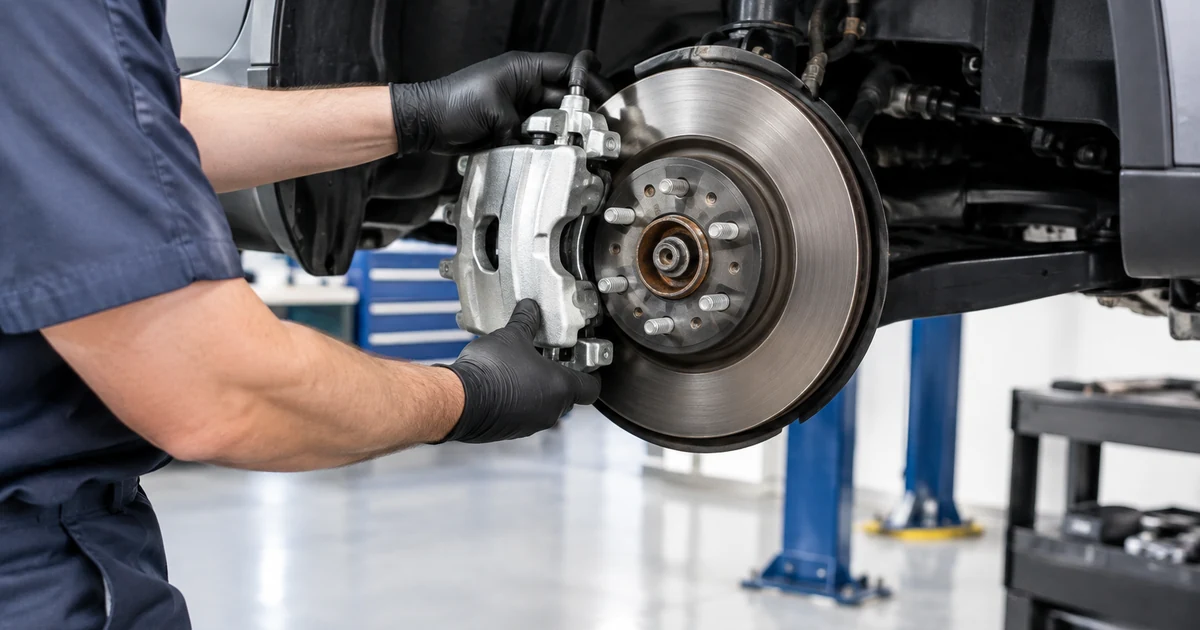
A single-piston sliding caliper on a compact car is a cheap part. Multi-piston fixed calipers on performance cars, luxury sedans and some trucks cost far more. Rear calipers with an integrated or electronic parking brake add parts cost and labor, and may need a scan tool to service.
Part quality
Remanufactured calipers keep the price down. New aftermarket or OEM calipers cost more but may come with a nicer finish, a longer warranty, or better availability for newer models.
Shop type
Dealers usually charge higher labor rates and install OEM parts, so the same job often costs 25% to 35% more than at an independent shop. Chain brake shops can be competitive but tend to add pads, rotors and fluid service to the ticket, so compare full written quotes.
Where you live
Labor rates are highest in the Northeast and on the West Coast and lower across much of the South and Midwest. In road-salt states, rusted bolts and bleeder screws can also add time. Use the region setting in the estimator above to see the difference.
Parts replaced at the same time
A seized caliper often overheats the pads and rotor on that corner. If they are glazed, worn unevenly or contaminated with brake fluid, expect to add pads or a full pads-and-rotors job. A cracked or swollen brake hose is also commonly replaced while the caliper is off. See our brake pad replacement cost guide and brake pads and rotors cost guide for those prices.
Symptoms of a Bad Brake Caliper
- Car pulls to one side when braking, or sometimes while simply driving, because one caliper is sticking or not applying.
- Burning smell or a very hot wheel after a drive, a classic sign of a caliper that is not releasing.
- Uneven pad wear: one pad worn much more than the other, or one side of the car wearing faster.
- Brake fluid leak around the inside of a wheel, or a wet, oily tire sidewall.
- Soft or sinking brake pedal, often paired with a low brake fluid level.
- Clunking or rattling from a loose caliper or worn slide pins.
- Reduced fuel economy or a dragging feeling when a caliper stays partly applied.
Not every sticking caliper needs replacement. Seized slide pins cause many of the same symptoms and can often be cleaned and re-greased during a brake job for much less. A good shop will tell you whether the piston itself is stuck or just the pins.
Can You Drive With a Bad Brake Caliper?
No, not for long, and in some cases not at all. Stop driving and have the car towed if you see brake fluid leaking at a wheel, the brake pedal feels soft or sinks toward the floor, the red brake warning light is on, or the car pulls hard to one side when you brake. A leaking caliper can drain the fluid the whole brake system needs.
A caliper that is only slightly sticking may still let you drive, but it is not safe to ignore. It overheats the brakes on that wheel, which can lead to brake fade, a warped or cracked rotor, damaged wheel bearings, and in severe cases smoke or a brake fire. Get it inspected within days, not weeks.
DIY vs. Taking It to a Shop
Difficulty: 3 out of 5. Swapping a caliper is a step up from a pad change because you must open the hydraulic system and bleed the air out afterward. Plan on 2 to 4 hours for one axle the first time.
Tools you need: floor jack and jack stands, lug wrench, socket and line wrench set, torque wrench, a brake hose clamp, new sealing washers for the banjo bolt if your car uses them, fresh brake fluid of the correct DOT type, a bleeder bottle and tubing, and usually a helper to pump the pedal. Cars with ABS or electronic parking brakes may need a scan tool.
Be honest with yourself: a caliper job mistake can leave you with a soft pedal or no brakes. If you have never bled brakes, or the car has an electronic parking brake, pay a shop. Always test the pedal firmly before moving the car.
Is It Worth Replacing a Brake Caliper?
Yes, on almost any car you plan to keep driving. Brakes are not optional, and $300 to $800 per caliper is small next to the value of most running vehicles. The only time to think twice is when a caliper is one item on a long list of major repairs, such as an engine or transmission failure, on a car worth less than the total bill. Even a car you are about to sell needs working brakes to be driven or test-driven safely.
How to Save Money on Brake Calipers
- Choose a remanufactured caliper. For everyday cars it is the standard repair part and often costs half as much as OEM.
- Ask if cleaning the slide pins would fix it. If the piston is not seized, servicing the pins may solve the pull or uneven wear.
- Get a second written quote listing calipers, pads, rotors, hoses and fluid separately.
- Use an independent shop instead of the dealer on out-of-warranty cars.
- Bundle the work. If pads or rotors on that axle are due soon, doing them while the caliper is off saves duplicate labor.
- Return the core. If you buy the part yourself, bring the old caliper back for the core refund.
- Check the warranty on a previous brake job; many shops and parts brands cover calipers for a year or more.
Hearing a hum or growl that changes with speed rather than a brake drag? That points to a bearing instead; see our wheel bearing replacement cost guide. You can also read how we estimate costs.
Frequently Asked Questions
Should brake calipers be replaced in pairs?
It is not strictly required, but many mechanics recommend replacing both calipers on the same axle so the brakes apply evenly side to side. If one caliper failed from age or corrosion, the other is usually similar. A pair typically costs about $550 to $1,400 at an independent shop.
How long does it take to replace a brake caliper?
Book time is roughly 1 to 3 hours per caliper, including bleeding the brakes. Seized bolts or bleeder screws on rusty cars can add time, and a pair on one axle usually takes 2 to 4 hours.
Do I need new brake pads when replacing a caliper?
Not always, but often. If the old caliper was sticking, the pads on that axle may be worn unevenly, glazed or soaked in brake fluid. Pads must match across the axle, so if one side is damaged, both sides get new pads.
What causes a brake caliper to fail?
The most common causes are corrosion, worn or torn piston seals and dust boots, and old brake fluid that has absorbed moisture. Seized slide pins can also make a caliper stick even when the caliper itself is fine.
Can a sticking caliper be repaired instead of replaced?
Sometimes. If only the slide pins are sticking, cleaning and re-greasing them costs much less than a new caliper. Rebuild kits exist for the piston and seals, but most shops simply install a remanufactured caliper because labor makes rebuilding uneconomical.
Is it safe to drive with a sticking brake caliper?
Only briefly and with care, and not at all if fluid is leaking or the pedal feels soft. A sticking caliper overheats that wheel’s brakes, which can cause brake fade, rotor damage and even smoke. Have it inspected as soon as possible.
Why is the dealer quote so much higher?
Dealers usually install OEM calipers and charge higher hourly rates. An OEM caliper can cost two to three times as much as a remanufactured one, so a dealer bill for a single caliper can pass $800 even when the labor is similar.