What It Means When Your Car Clicks but Won’t Start
When you turn the key or press the start button, the car sends a small current to the starter solenoid, which then switches a much bigger current to the starter motor. The click you hear is that solenoid or a relay working. If the engine doesn’t crank, it means the switching part is getting a signal, but the starter isn’t getting or using enough power to turn the engine.
In most cases, the cause is a weak or dead battery, or a bad connection between the battery and the starter. A failed starter is the next most likely culprit. Less often, the battery keeps dying because the alternator isn’t charging it.
Rapid clicking vs. a single click
The type of click is the best clue you have:
- Rapid clicking (many clicks per second, like a machine gun): AutoZone says this almost always points to a weak or dead battery. There’s enough power to pull in the solenoid, but the voltage collapses as soon as the starter draws current, so the solenoid drops out and clicks again.
- One loud click, then nothing: usually a bad starter or solenoid, or a badly discharged battery with only enough power to trigger the solenoid once. If the dash lights stay bright when you hear the click, suspect the starter.
- No click at all: more often a blown fuse, a bad relay, a broken connection, the ignition switch, or a shifter not fully in Park.
Common Causes of a Car That Clicks but Won’t Start
| Cause | How to recognize it | How likely | Typical repair cost |
|---|---|---|---|
| Weak or dead battery | Rapid clicking, dim or flickering dash lights, starts fine with a jump | Most common | $0 (jump/charge) or $150 – $450 for a new battery |
| Corroded or loose terminals | White or blue-green crust, loose clamp, lights cut out when you try to start | Common | $0 – $150 |
| Bad starter or solenoid | Single loud click, lights stay bright, battery tests good | Common | $400 – $900 |
| Failing alternator | Battery keeps dying, battery light on while driving, dim lights at night | Less common | $400 – $1,000 |
| Bad battery cable or ground strap | Hot or swollen cable, good battery but weak cranking power at the starter | Occasional | $100 – $350 |
| Ignition switch or wiring fault | Intermittent no-start, dash flickers when you wiggle the key | Occasional | $150 – $450 |
| Seized or hydrolocked engine | Single click, good battery, engine won’t turn by hand | Rare | Major repair, often several thousand dollars |
Costs are typical shop prices for common cars. The real cause and your vehicle decide where your bill lands, which is why the estimator above starts with the most common fix.
1. Weak or dead battery
Signs: rapid clicking, dim headlights or dash lights that fade when you turn the key, and a battery that’s three or more years old. A jump start that gets the car running right away almost confirms it.
Fix: If the battery simply ran down because a light was left on, a jump and a long drive or a full charge may be all it needs. If it’s old or fails a load test, replace it. Most car batteries last 3 to 5 years, and less in hot climates.
Cost: $0 for a jump, or $150 to $450 for a new battery installed, with most drivers paying about $250. See car battery replacement cost.
Why it often happens on a cold morning: cold weather reduces how much current a battery can deliver, and a cold engine with thick oil is harder to turn. A battery that was weakened by summer heat may work fine in the fall, then click on the first freezing day. AAA recommends having a battery tested every year once it’s three years old so it’s replaced before that happens. If your car clicks only on cold mornings, treat it as an early warning rather than a fluke.
2. Corroded or loose battery terminals
Signs: crusty white, green or blue deposits on the posts, a clamp you can twist by hand, or lights that go completely dark when you try to start. Corrosion adds resistance, so current can’t reach the starter even with a good battery.
Fix: Clean the posts and clamps with a terminal brush and baking soda solution, then tighten them. Badly corroded clamps or cable ends get replaced.
Cost: free if you do it yourself, or roughly $30 to $150 at a shop, depending on whether new terminal ends are needed.
3. Bad starter or starter solenoid
Signs: one solid click, bright dash lights, and a battery that tests good. Sometimes it starts after a few tries. Starters wear out over time; CarParts.com notes that starter brushes commonly last around 80,000 to 100,000 miles.
Fix: On most modern cars, the solenoid is part of the starter, so the whole unit is replaced, often with a remanufactured starter. Tapping the starter with a tool may get you one more start, but it’s a sign the starter is failing.
Cost: $400 to $900 at a shop, about $600 typical, and more if the starter is buried under the intake manifold. See starter replacement cost.
4. Failing alternator
Signs: the battery keeps going dead even after you charge or replace it, a battery or charging light comes on while driving, and lights dim at idle. The alternator isn’t causing the click directly; it’s leaving the battery too weak to crank.
Fix: Test the charging system. With the engine running, a healthy system usually shows about 13.7 to 14.7 volts at the battery. Much lower points to the alternator or a slipping belt.
Cost: $400 to $1,000, about $650 typical. See alternator replacement cost, and budget for a new battery if the old one was drained flat repeatedly.
5. Bad cables, grounds or ignition switch
A corroded main ground strap or a damaged positive cable can cause the same symptoms as a bad battery. Shops find these with a voltage drop test. Less often, a worn ignition switch or a bad starter relay is the problem; these usually cause no click or intermittent no-starts. Cables and grounds typically run $100 to $350; an ignition switch about $150 to $450.
Is It Safe to Drive?
If a jump gets the car started, it’s generally fine to drive it straight home or to a shop, but don’t shut the engine off somewhere you can’t get help. If the battery light is on while driving, the alternator may not be charging, and the car can stall once the battery runs down. That can kill power steering assist and lights, so head straight for a shop and avoid highways at night.
Don’t keep cranking over and over. Repeated attempts can overheat the starter and fully drain the battery. If you see smoke, smell burning plastic, or find a battery that is swollen, leaking or hissing, don’t try to jump it. Call for roadside help.
How a Mechanic Diagnoses It
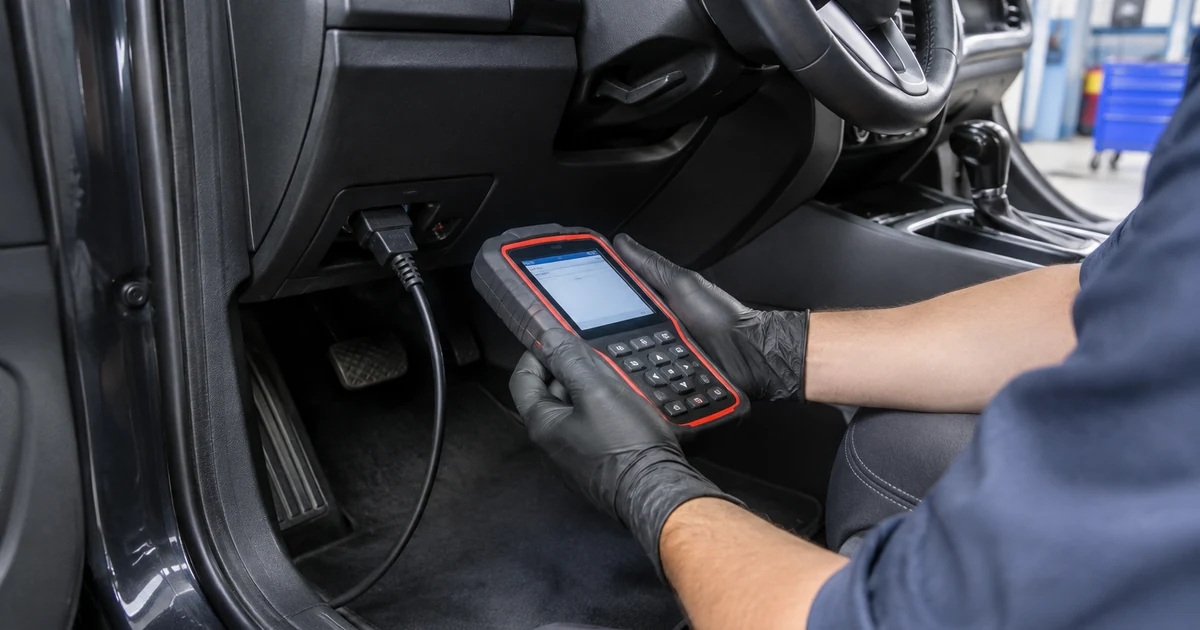
- Tests the battery with a load or conductance tester and checks its resting voltage.
- Inspects and cleans the terminals, cables and ground connections.
- Does a voltage drop test across the cables to find hidden resistance.
- Checks voltage at the starter solenoid while someone turns the key. Power at the starter but no cranking points to the starter itself.
- Tests the alternator output and looks for a parasitic drain if the battery keeps dying overnight.
- If everything electrical checks out, confirms the engine turns freely by hand.
A diagnostic visit usually costs $100 to $200, and many shops apply it toward the repair. Major parts stores will test your battery, alternator and starter for free.
What You Can Check Yourself
- Look at the dash lights when you turn the key. If they dim heavily or go out, suspect the battery or connections. If they stay bright with a single click, suspect the starter.
- Check the terminals for corrosion and make sure the clamps can’t be twisted by hand. Wear gloves and eye protection.
- Measure battery voltage with a multimeter. About 12.6 volts is fully charged; around 12.2 volts is about half; below roughly 12 volts the battery is too low to start most cars.
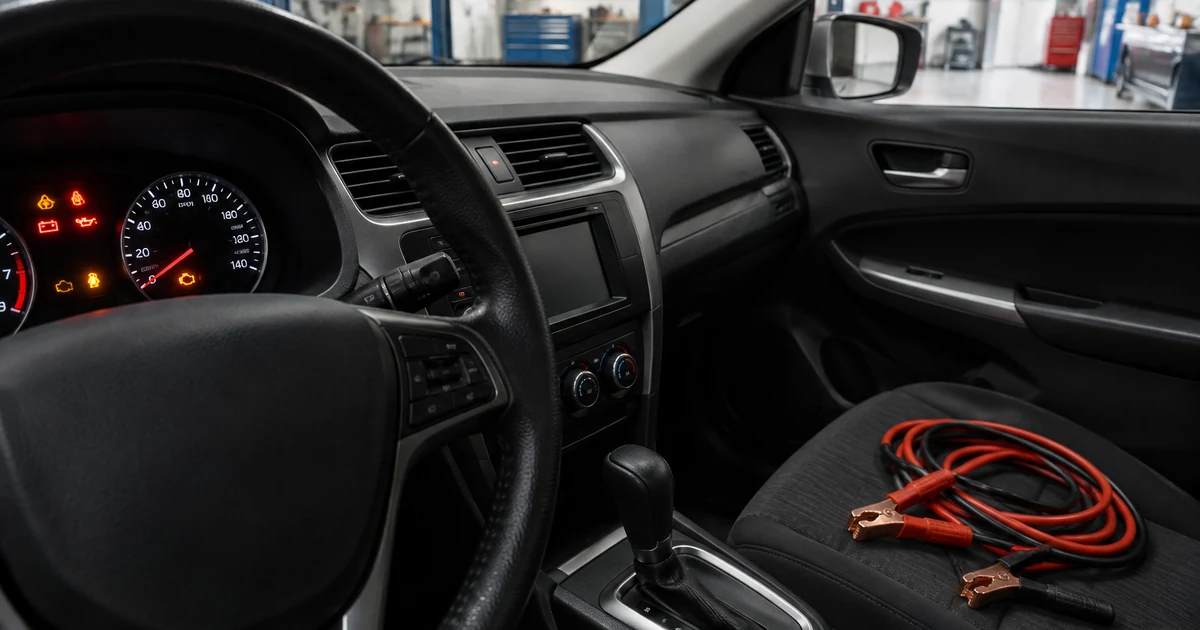
- Try a jump start with jumper cables or a portable jump starter, following your owner’s manual. If it starts right up, the battery or charging system is the likely problem.
- Make sure the shifter is fully in Park (or the clutch fully pressed on a manual) and try Neutral.
- Get a free test of the battery, alternator and starter at a parts store once the car is running.
A portable jump starter and a basic tester are cheap insurance against getting stranded:
When to See a Mechanic Right Away
- The car won’t start even with a good jump.
- You smell burning, see smoke, or the battery is swollen or leaking.
- The battery or charging light stays on after the car starts.
- A new battery goes dead within days or weeks.
- The single click keeps coming back, or the starter grinds or keeps spinning after the engine starts.
How to Save on the Repair
- Get the battery, alternator and starter tested for free at a parts store before paying a shop.
- Check the battery warranty. Many batteries are replaced free if they fail within the warranty period.
- Clean the terminals before buying anything. Sometimes that’s the whole fix.
- Choose a remanufactured starter or alternator; they’re the most common choice and cost less than new OEM units.
- Use an independent shop instead of a dealer for an out-of-warranty car.
- Get a second quote on any starter or alternator job over $600.
- If the alternator is replaced, ask the shop to test the battery too, so you don’t pay for a second visit.
Frequently Asked Questions
Why does my car click but not start?
The click is the starter solenoid or a relay engaging, but the starter isn’t getting or using enough power to crank the engine. The most common cause is a weak or dead battery, followed by corroded or loose terminals and a failing starter.
What does rapid clicking mean when starting a car?
Rapid clicking almost always means the battery is too weak to crank the engine. The solenoid pulls in, the voltage drops, and it releases and clicks again. A jump start or battery charge usually confirms it.
What does a single click mean when I try to start my car?
A single loud click with bright dash lights usually points to a bad starter or starter solenoid. A badly discharged battery can also do it, so test the battery first before replacing the starter.
Can a bad alternator cause clicking and no start?
Indirectly, yes. A failing alternator doesn’t recharge the battery, so the battery eventually becomes too weak to crank the engine. If a new or recharged battery keeps going dead, have the charging system tested.
Will a jump start fix a clicking car?
If the battery is weak or discharged, a jump usually gets the car started. If you still hear a single click with a good jump, the problem is more likely the starter, cables or ground connections.
How much does it cost to fix a car that clicks but won't start?
It ranges from free (a jump or cleaning the terminals) to about $450 for a new battery and $400 to $900 for a starter. Most drivers pay about $250 because a worn-out battery is the most common cause.
Can I drive my car after jump-starting it?
Usually, yes, but drive it directly home or to a shop and avoid shutting it off where you can’t get help. If the battery warning light stays on, the alternator may not be charging and the car could stall.