What It Usually Means When Your Car Shakes When Braking
If your car shakes when braking, and especially if the steering wheel shakes when braking but feels smooth the rest of the time, the front brake rotors are the most likely cause. AAA and Les Schwab both put “warped” rotors at the top of the list. You may also feel it as a pulsing brake pedal.
“Warped” is the word everyone uses, but the rotor usually isn’t bent like a potato chip. The more accurate explanation is disc thickness variation: the rotor’s braking surface becomes slightly thicker in some spots than others, often from uneven pad material deposits or a rotor that wobbles on a rusty hub or unevenly torqued lug nuts. As the thick spots pass through the pads, brake pressure rises and falls, and you feel it as a shudder.
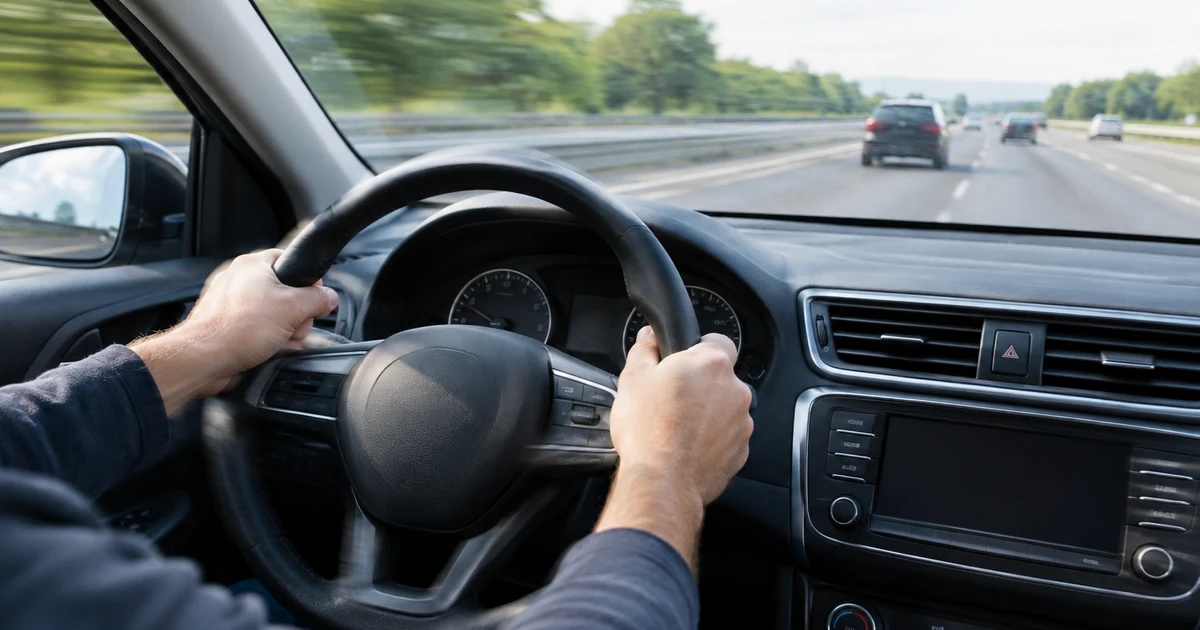
When the shake shows up while you’re also driving at speed, not just braking, look beyond the brakes: tire balance, wheel bearings, suspension and steering parts can all add to or cause the vibration.
Where you feel it is a useful clue. A shake mainly in the steering wheel usually points to the front brakes or front suspension. A shake mainly in the seat or brake pedal with a quieter steering wheel often points to the rear rotors or drums.
Common Causes of a Car Shaking When Braking
| Cause | How to recognize it | How likely | Typical repair cost |
|---|---|---|---|
| Uneven (“warped”) front rotors | Steering wheel shake and pulsing pedal only when braking, worse from highway speed | Most common | $350 – $800 per axle (pads + rotors) |
| Rotors still thick enough to resurface | Same symptoms, caught early, rotors above minimum thickness | Common | $250 – $500 per axle (pads + resurfacing) |
| Sticking brake caliper | Shake plus pulling to one side, burning smell, one very hot wheel | Common | $300 – $800 per caliper |
| Tires out of balance or a bent wheel | Vibration at certain speeds even without braking; braking makes it worse | Common | $40 – $80 (balance, four tires) |
| Worn wheel bearing | Hum or growl that grows with speed, plus wobble when braking or cornering | Occasional | $250 – $750 per wheel |
| Worn struts, shocks, tie rods or ball joints | Nose-dive, clunks, loose steering, shake over bumps and when braking | Occasional | $575 – $1,270 (front struts + alignment); tie rod end about $340 with alignment |
These are parts-and-labor estimates for a typical midsize car at an independent shop. Pickups, large SUVs and European cars cost more. The brake-related causes are by far the most common when the shake happens only while braking.
1. Uneven or “Warped” Brake Rotors
Every stop turns motion into heat in the rotors. AAA explains that this repeated heat is what leads to the warping drivers feel. In practice, technicians usually find thickness variation: the rotor has thick and thin spots measured in thousandths of an inch. Common contributors include:
- Uneven pad material transferred onto the rotor, often after hard stops or sitting with the brakes clamped on a hot rotor
- Rust or debris on the hub, so the rotor doesn’t sit perfectly flat
- Lug nuts tightened unevenly with an impact gun instead of a torque wrench
- Cheap rotors or pads, or new pads that were never properly bedded in
Signs: the steering wheel shakes when braking from highway speed, the pedal pulses under your foot, and it gets worse on long downhill stretches. The car drives smoothly when you’re not braking.
Fix: new rotors and pads on that axle, with the hub surfaces cleaned and the lug nuts torqued to spec. If the rotors are thick enough, a shop may resurface them instead.
Cost: about $350 to $800 per axle for pads and rotors, with most drivers paying around $550. Resurfacing with new pads costs about $250 to $500 per axle. ThePricer puts shop resurfacing alone at roughly $100 to $200 per axle, but many shops now recommend replacement because new aftermarket rotors cost little more and last longer.
2. Sticking Brake Caliper
Calipers squeeze the pads against the rotor. When a piston or slide pin corrodes, the caliper can apply unevenly or not release. AAA warns that a stuck caliper can make your vehicle unsafe to drive. Les Schwab notes it can create vibration and may require towing.
Signs: the car pulls to one side when braking (or all the time), a burning smell, one wheel that’s much hotter than the others, and uneven pad wear. A dragging caliper also overheats its rotor, so it often causes the rotor problem above.
Fix: replace the caliper (remanufactured is common), usually with pads and often rotors on that axle, then bleed the brakes.
Cost: about $300 to $800 for one caliper, or roughly $500 to $1,250 combined with pads and rotors.
3. Tire Balance and Wheel Problems
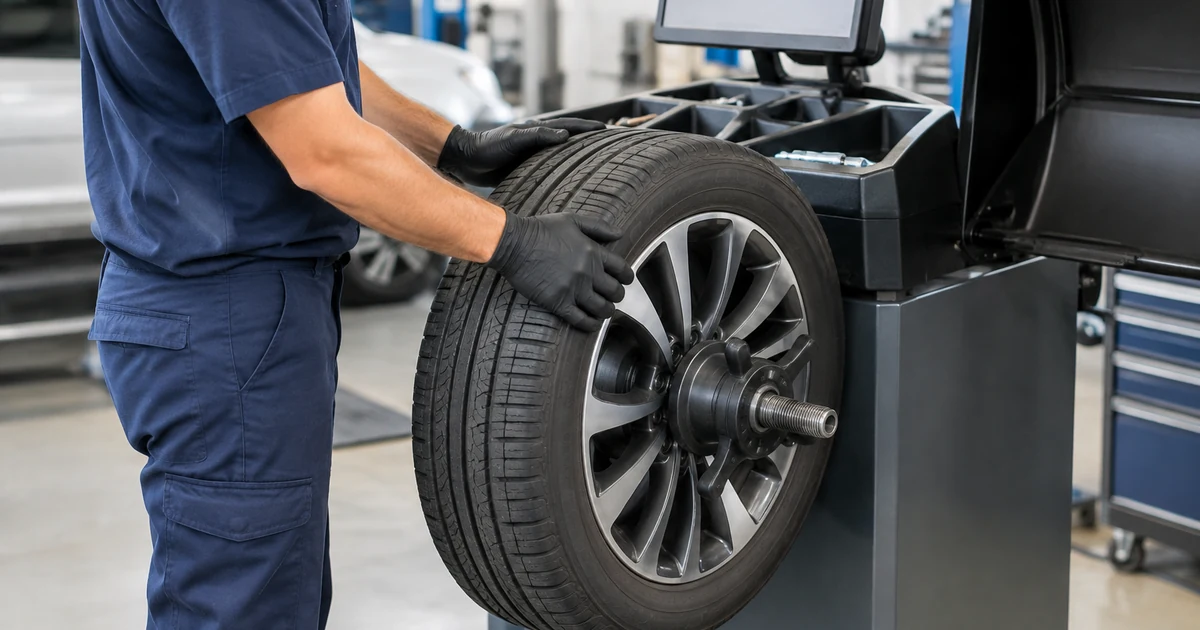
Les Schwab lists out-of-balance tires and bent wheels as a cause of steering wheel shake. Usually you’ll feel it at certain speeds (often 55–70 mph) whether or not you’re braking, and braking can amplify it.
Fix: balance the tires; if a wheel is bent or a tire has a separated belt, replace it.
Cost: about $40 to $80 to balance four tires, or $80 to $160 for road force balancing that finds stubborn vibrations.
4. Worn Wheel Bearing
A loose or worn bearing lets the hub and rotor wobble. That wobble can wear the rotor unevenly and show up as a shake when braking or cornering, as Les Schwab points out.
Signs: a humming or growling noise that rises with speed and changes when you turn, plus play in the wheel when it’s off the ground.
Cost: about $250 to $750 per wheel, most often around $400.
5. Worn Suspension and Steering Parts
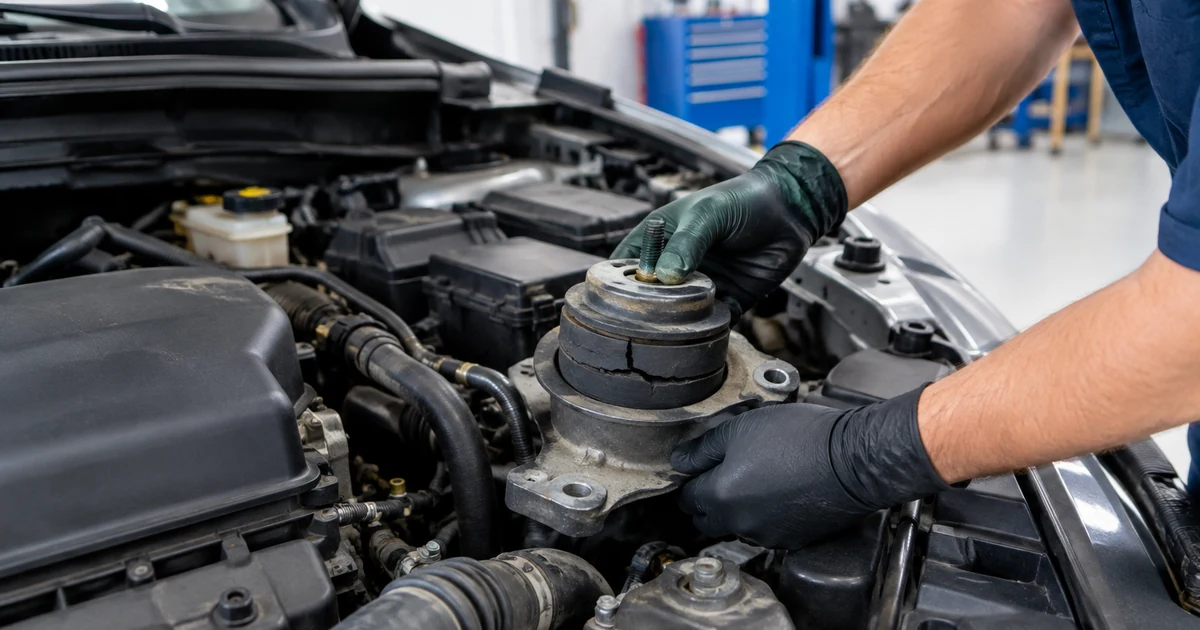
Struts, shocks, tie rods, ball joints and control arm bushings keep the wheel steady under braking forces. When they wear, the wheel can shimmy as weight shifts forward. Les Schwab notes that worn shocks and struts lose their ability to absorb vibration.
Signs: the nose dives hard when braking, clunks over bumps, loose or wandering steering, uneven tire wear.
Fix and cost: front struts with alignment run about $575 to $1,270 (most pay around $890). One outer tie rod end with alignment is about $340. An alignment is needed after most steering and suspension repairs.
Is It Safe to Drive When Your Car Shakes When Braking?
A mild vibration from uneven rotors isn’t an immediate brake failure, but it does reduce braking consistency, especially in a panic stop, and AAA notes that driving on warped rotors can lead to premature wear on suspension parts and uneven tire wear. Get it inspected within a few days and avoid heavy braking, towing and long mountain descents until then.
Stop driving and have the car towed if:
- The shaking is violent, or the steering wheel jerks out of your hands
- The car pulls hard to one side when you brake
- You smell burning or see smoke from a wheel (likely a stuck caliper)
- The brake pedal feels soft, sinks, or the brake warning light is on
- You hear grinding along with the shake
- A wheel feels loose or you hear clunking from one corner
Shaking that also comes with a loose steering feel can mean worn steering parts such as tie rods or ball joints. Those can fail suddenly and cost you steering control, so don’t put off the inspection.
How a Mechanic Diagnoses It
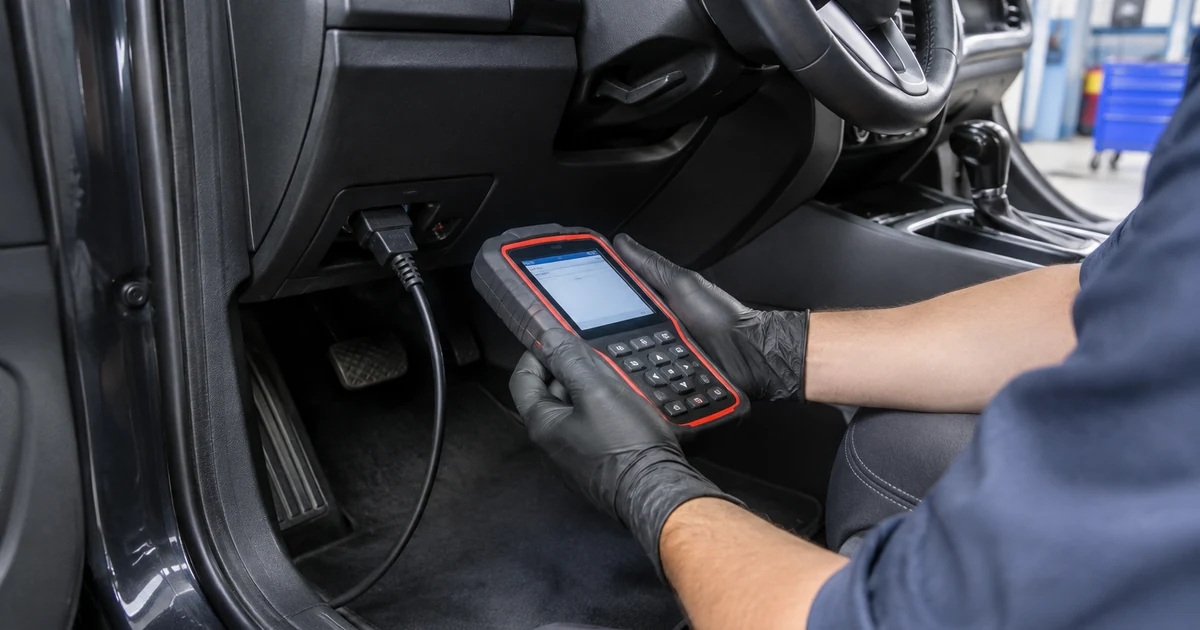
- Road test: brake from different speeds to see if the shake is in the steering wheel (front) or the seat and pedal (rear), and whether it also happens without braking.
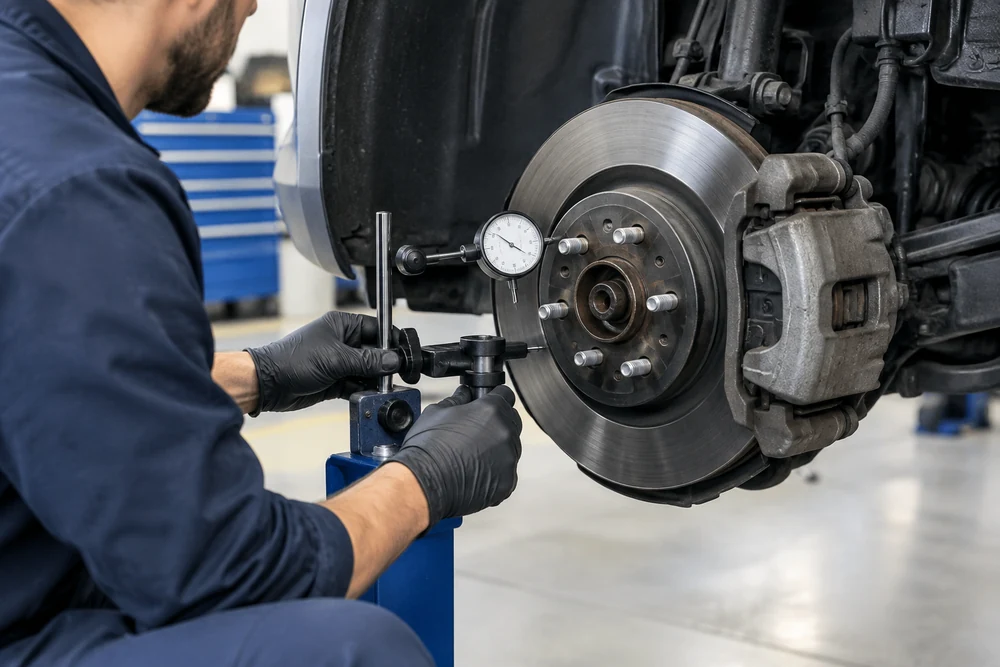
- Measure the rotors: thickness and thickness variation with a micrometer, and lateral runout with a dial indicator. This separates a rotor problem from a hub or bearing problem.
- Inspect calipers: check slide pins, pistons and pad wear patterns.
- Check tires and wheels: balance, bent rims, tire damage and lug nut torque.
- Check suspension and steering: lift the car and check bearings, tie rods, ball joints and struts for play.
A brake or vibration diagnosis usually costs $100 to $200 at a general repair shop, and is often credited toward the repair. Many tire and brake chains offer free brake inspections. Ask to see the rotor measurements: a good shop should be able to show you why the rotors need replacing.
What You Can Check Yourself
Do these with the car parked on level ground, in Park, with the engine off.
- Note when it shakes. Only when braking points to brakes. At certain speeds without braking points to tires and balance. Constant, with a hum, points to a wheel bearing.
- Steering wheel or seat? Steering wheel suggests the front; seat or pedal suggests the rear.
- Check for heat. After a drive, hold your hand near (not on) each wheel. One much hotter wheel suggests a sticking caliper.
- Look at the rotors through the wheels. Blue or dark heat spots and uneven shiny bands suggest overheating or uneven deposits.
- Inspect the tires. Look for bulges, flat spots and uneven wear.
- Think back. Did it start right after tires were mounted or brakes were done? Go back to that shop first.
Replacing front pads and rotors is a reasonable DIY job if you’ve done brakes before: about 1.5 to 2 hours per axle with a jack, jack stands, sockets, a caliper piston tool and a torque wrench. Clean the hub face until it’s bare metal before mounting the new rotor, torque the lug nuts to spec, and bed in the new pads.
When to See a Mechanic Right Away
- The shaking is getting worse week by week
- It comes with pulling, grinding, a burning smell or a soft pedal
- You notice clunks, loose steering or a humming noise
- The car just had brake or tire work and now shakes
How to Save on the Repair
- Fix it early. Rotors caught early can sometimes be resurfaced with new pads for about $250 to $500, versus about $550 for new pads and rotors.
- Rule out cheap causes first. A $40 to $80 tire balance or a lug nut re-torque costs far less than new rotors when the problem isn’t the brakes.
- Ask for measurements of rotor thickness and runout before approving parts.
- Use an independent shop; dealers typically charge about 30% more for brake work.
- Choose quality coated aftermarket rotors and ceramic pads instead of the cheapest parts, which are more prone to the same problem returning.
- Bundle the alignment with any suspension or steering repair so you pay for it once.
- Avoid repeat damage: don’t hold the brake pedal hard at a stop after a long, hot braking run, and ask any shop that mounts wheels to torque lug nuts by hand.
Frequently Asked Questions
Why does my steering wheel shake when I brake?
Most often because the front brake rotors have developed thickness variation, commonly called warped rotors. As the uneven surface passes through the pads, braking force pulses and you feel it in the steering wheel. Sticking calipers, worn suspension parts and unbalanced tires can also cause it.
How much does it cost to fix a car that shakes when braking?
Most drivers pay about $550 per axle for new pads and rotors, within a range of $350 to $800. Resurfacing the rotors with new pads costs about $250 to $500. If the cause is a stuck caliper or worn suspension, it can reach $1,000 or more.
Is it safe to drive if my car shakes when braking?
A mild shake from rotors is usually OK for a few days of careful driving, but it reduces braking consistency and can wear tires and suspension. Stop driving if the car pulls hard, you smell burning, the pedal feels soft or the shaking is violent.
Can I just resurface warped rotors?
Sometimes. If the rotors are still above minimum thickness after machining, resurfacing with new pads is a valid fix. Many shops recommend new rotors instead because affordable aftermarket rotors last longer than thin resurfaced ones.
Can bad tires cause shaking when braking?
Yes. Out-of-balance tires or a bent wheel usually cause vibration at certain speeds, and braking can make it more noticeable. Balancing four tires costs about $40 to $80.
Why does my car shake when braking after new brakes?
Common reasons are lug nuts tightened unevenly, rust left on the hub under the new rotor, or pads that weren’t bedded in. Go back to the shop that did the work, since these are installation issues they should correct.