TPMS Sensor Replacement Cost by Vehicle
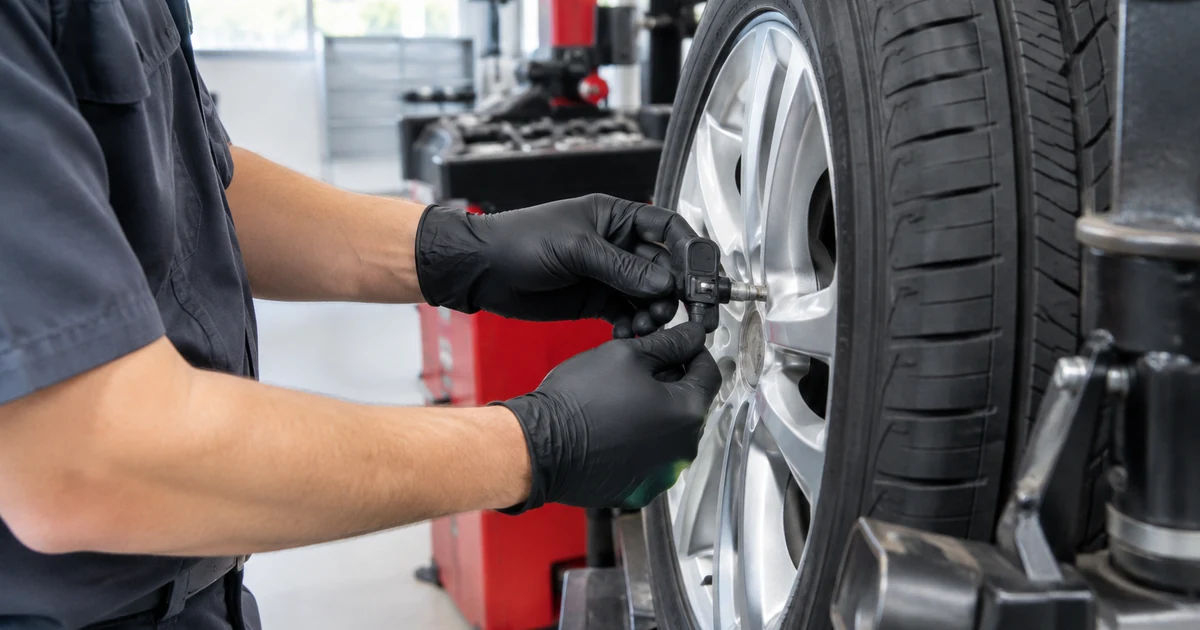
A TPMS (tire pressure monitoring system) sensor sits inside each wheel, usually attached to the valve stem. Replacing one means breaking the tire bead, swapping the sensor, rebalancing, and teaching the car the new sensor ID. Prices below are per sensor, installed.
| Vehicle | Sensor (part) | Labor + relearn | Total per sensor | All four |
|---|---|---|---|---|
| Ford F-150 | $40 – $90 | $40 – $100 | $80 – $190 | $300 – $700 |
| Chevy Silverado 1500 | $40 – $90 | $40 – $100 | $80 – $190 | $300 – $700 |
| Toyota Camry | $45 – $110 | $40 – $100 | $85 – $210 | $320 – $760 |
| Toyota RAV4 | $45 – $110 | $40 – $100 | $85 – $210 | $320 – $760 |
| Honda Civic | $40 – $100 | $40 – $100 | $80 – $200 | $300 – $720 |
| Honda Accord | $40 – $100 | $40 – $100 | $80 – $200 | $300 – $720 |
| Honda CR-V | $40 – $100 | $40 – $100 | $80 – $200 | $300 – $720 |
| Nissan Altima | $45 – $115 | $40 – $100 | $85 – $215 | $320 – $780 |
| Chevy Equinox | $40 – $90 | $40 – $100 | $80 – $190 | $300 – $700 |
| Jeep Wrangler | $45 – $110 | $45 – $110 | $90 – $220 | $340 – $800 |
| Tesla Model 3 | $50 – $120 | $45 – $110 | $95 – $230 | $360 – $840 |
| BMW 3 Series | $60 – $180 | $50 – $130 | $110 – $310 | $420 – $1,100 |
These are estimates for common model years and wheel setups. The low end reflects a tire shop using aftermarket programmable sensors; the high end reflects OEM sensors or dealer labor. Adding sensors during a tire purchase is usually cheaper, since the tires are already coming off.
Cost Breakdown: Parts vs. Labor
The sensor
- Aftermarket programmable sensors commonly cost about $30 to $90 each. The shop programs them to match your vehicle’s protocol before installation. Some universal sensors sell for even less in multi-packs.
- OEM sensors are often $60 to $200 each, depending on the vehicle, and can be much more on some luxury models.
- Service kit (valve core, nut, seal, cap): about $5 to $15 per wheel. Shops replace it every time a sensor is serviced to prevent leaks.
Labor and relearn
Installing a single sensor as a standalone job usually costs about $40 to $100 in labor, which covers dismounting the tire, swapping the sensor, remounting, balancing, and running the relearn procedure. Added on during new tire installation, labor can drop to about $20 to $30 per wheel because the tire is already off the rim.
| Where | Typical per sensor | Notes |
|---|---|---|
| Dealer | $200 – $340 | OEM sensor, highest labor rate |
| Tire shop or independent | $90 – $220 | Usually aftermarket programmable sensors; cheapest with a tire purchase |
| DIY | $40 – $100 | Sensor and kit only; you still need the tire dismounted and a relearn method |
What the shop does, step by step
- Scans the TPMS system with a handheld tool to find which sensor is dead or reading wrong.
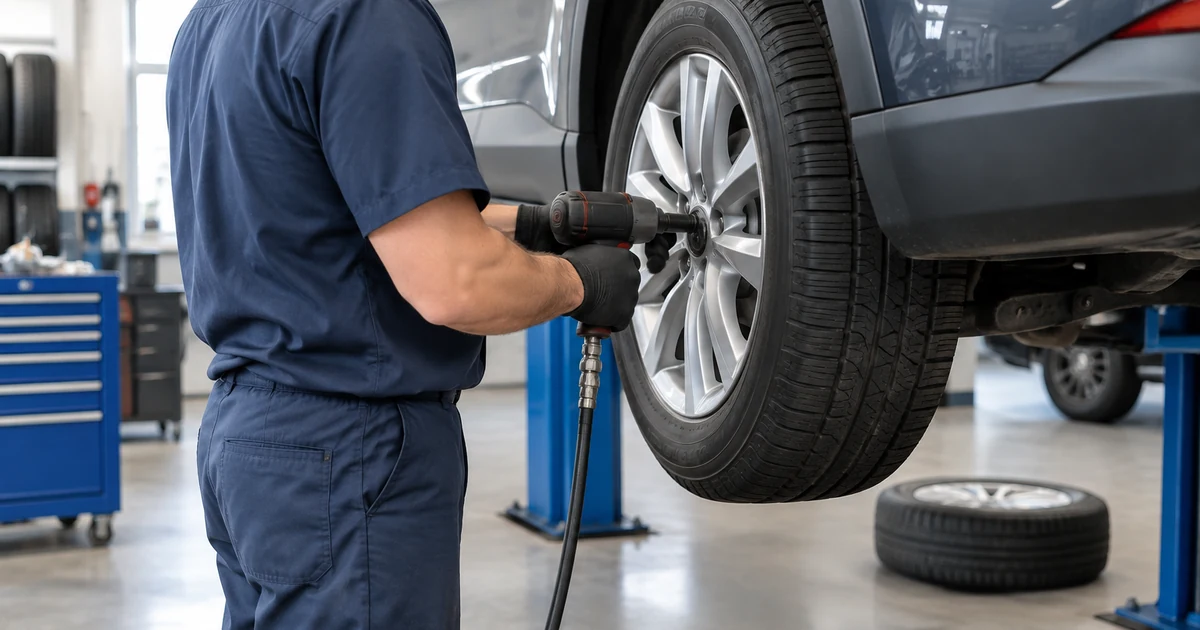
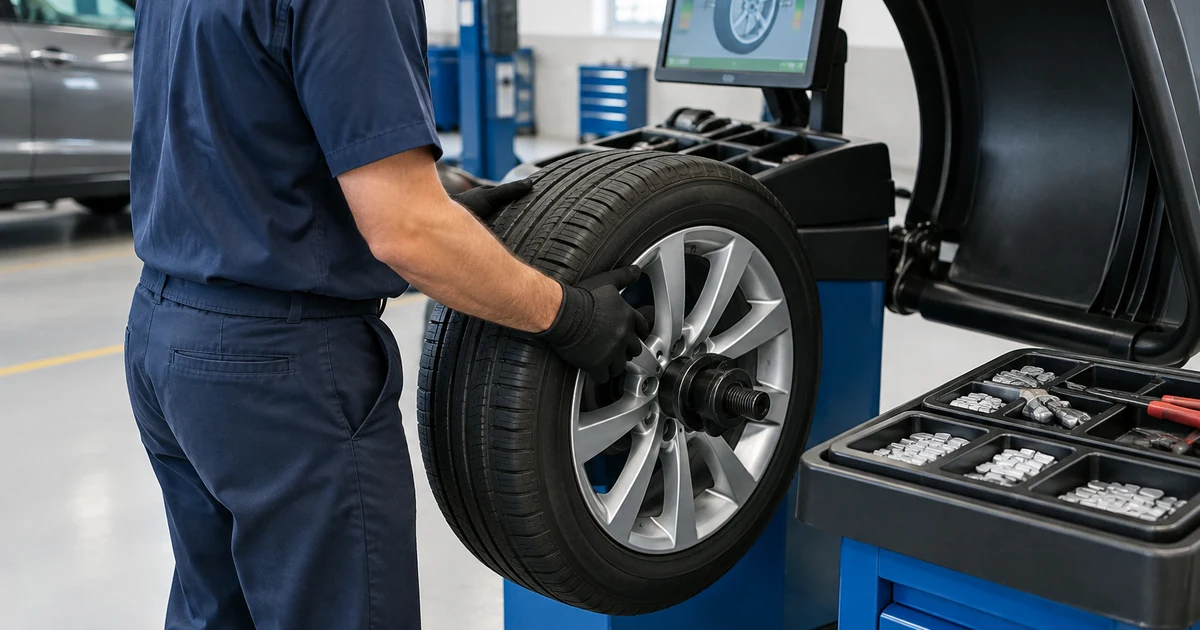
- Removes the wheel, breaks the tire bead and takes out the old sensor.
- Programs a new aftermarket sensor for your vehicle, or fits an OEM sensor.
- Installs the sensor with a new service kit and torques the valve nut.
- Remounts, inflates and balances the tire, then reinstalls the wheel.
- Runs the relearn procedure so the car recognizes the new sensor ID, and confirms the warning light goes out.
On a single wheel, the whole visit usually takes 30 minutes to an hour. Replacing all four sensors takes a bit longer, mostly for the extra mount, dismount and balance work.
What Affects the Price
Vehicle and TPMS type
Most vehicles use direct TPMS, with a battery-powered sensor in each wheel. Some cars use indirect TPMS, which estimates pressure from the ABS wheel-speed sensors and has no in-wheel sensors to replace. If a wheel-speed sensor or hub assembly fails on those cars, the TPMS light can come on too; see our wheel bearing replacement cost guide.
Sensor quality
OEM sensors cost more but guarantee compatibility. Quality programmable aftermarket sensors work on most vehicles when correctly programmed and are what most tire shops install.
Relearn method
Some vehicles relearn sensors automatically after a short drive. Others need a manual procedure (for example, a key-cycle sequence), a handheld TPMS activation tool, or an OBD2 relearn tool. Vehicles that require an OBD2 relearn can cost more at shops without the right equipment.
Shop type and region
Tire shops usually charge the least. Dealers charge the most per sensor. Higher labor rates on the coasts can add a little to each wheel.
How many sensors you replace
TPMS sensor batteries are sealed and cannot be replaced. Sensors installed at the same time tend to fail within a few years of each other, so when one dies on an older vehicle, many owners replace all four at once to avoid repeat labor charges. A full set usually runs about $400 to $800 installed.
Symptoms of a Bad TPMS Sensor
- A flashing TPMS light that then stays on. On many vehicles, flashing for about a minute at start-up signals a system fault rather than low pressure.
- A light that stays on even though all tires are correctly inflated when checked with a gauge.
- One tire showing no reading or a dash reading of “–” on the tire-pressure display.
- Readings that jump around or clearly do not match a gauge.
- A leaking valve stem; corroded aluminum stems can crack and let air out.
Before paying for a sensor, rule out the simple causes. Cold weather drops tire pressure by roughly one psi for every 10 degrees Fahrenheit, which often turns the light on the first cold morning of the season. Some vehicles also monitor the full-size spare, so a flat spare can trigger the warning.
Can You Drive With a Bad TPMS Sensor?
Yes, the car drives normally, but you lose your early warning for a low or leaking tire. Under-inflated tires wear faster, hurt fuel economy and can overheat and fail at highway speed. Until the sensor is replaced, check pressures with a gauge at least once a week and before long trips. If the sensor’s valve stem is leaking air, fix that promptly. A dead TPMS light can also cause a failed state safety inspection in some states.
DIY vs. Taking It to a Shop
Difficulty: 3 out of 5. Swapping the sensor itself is simple, but getting to it requires breaking the tire bead, which most people cannot do at home without a tire machine. After installation, the tire needs balancing and the car must learn the new sensor ID.
The most practical DIY route is to buy programmable or vehicle-specific sensors yourself, have a tire shop mount them (many charge a modest per-wheel fee), and handle the relearn with an inexpensive TPMS relearn tool if your vehicle needs one. Owners who swap between summer and winter wheels often find a relearn tool pays for itself.
- Check your owner’s manual for the relearn procedure before buying anything.
- Buy sensors matched to your vehicle’s frequency (usually 315 or 433 MHz) and protocol.
- Always use a new service kit and torque the valve nut to spec.
Is It Worth Replacing a TPMS Sensor?
Yes, in most cases. Vehicles sold in the US since the 2008 model year are required to have TPMS, it is inexpensive compared with most repairs, and a lit warning light hides real pressure problems. On an older car where every sensor is near the end of its battery life, replacing the full set is often cheaper overall than paying labor four separate times.
How to Save Money on TPMS Sensor Replacement
- Replace sensors when you buy tires, when the added labor is lowest.
- Use a tire shop instead of the dealer, which can save more than $100 per sensor.
- Ask for quality programmable aftermarket sensors instead of OEM.
- Replace all four at once on older cars to avoid paying for dismount and balance again in a year or two.
- Buy the sensors yourself and ask a local tire shop for an installation-only price.
- Check for a tire road-hazard plan; some shop warranties include TPMS service.
Planning other wheel-end work? Brakes are a natural pairing; see our brake pads and rotors cost guide, or how we estimate costs.
Frequently Asked Questions
How much does it cost to replace a TPMS sensor?
Most drivers pay $90 to $220 per TPMS sensor installed at a tire shop, about $150 on average. Dealers using OEM sensors can charge $200 to $340 per wheel. Replacing all four usually costs $400 to $800.
Should I replace all four TPMS sensors at once?
On an older vehicle, often yes. Sensor batteries are sealed and tend to fail around the same age, so replacing all four avoids paying dismount, balance and relearn labor repeatedly. On a newer car with one damaged sensor, replacing just that one is fine.
How long do TPMS sensors last?
Most TPMS sensors last about 5 to 10 years, often roughly 100,000 miles or more, until their sealed batteries run down. The battery cannot be replaced, so the entire sensor is replaced.
Do new TPMS sensors need to be programmed?
Aftermarket programmable sensors must be programmed for your vehicle before installation, and most vehicles then need a relearn so the car recognizes the new sensor IDs. Depending on the vehicle, the relearn is automatic after driving, a manual key-cycle procedure, or requires a TPMS or OBD2 tool.
Can I drive with the TPMS light on?
The car will drive normally, but you lose your warning for a low tire. Check all tire pressures with a gauge right away; if they are correct, the light likely indicates a sensor fault. Check pressures weekly until the sensor is replaced.
Can I replace a TPMS sensor myself?
You can if you have a way to dismount and remount the tire and balance the wheel, which usually requires a tire shop. A common approach is buying the sensors yourself, paying a shop to mount them, and doing the relearn with an inexpensive tool.
Why is my TPMS light flashing?
On many vehicles, a TPMS light that flashes for about a minute at start-up and then stays on means the system has a fault, such as a dead sensor battery or a spare wheel without a sensor. A steady light without flashing usually means low tire pressure.