Wheel Alignment Cost by Vehicle
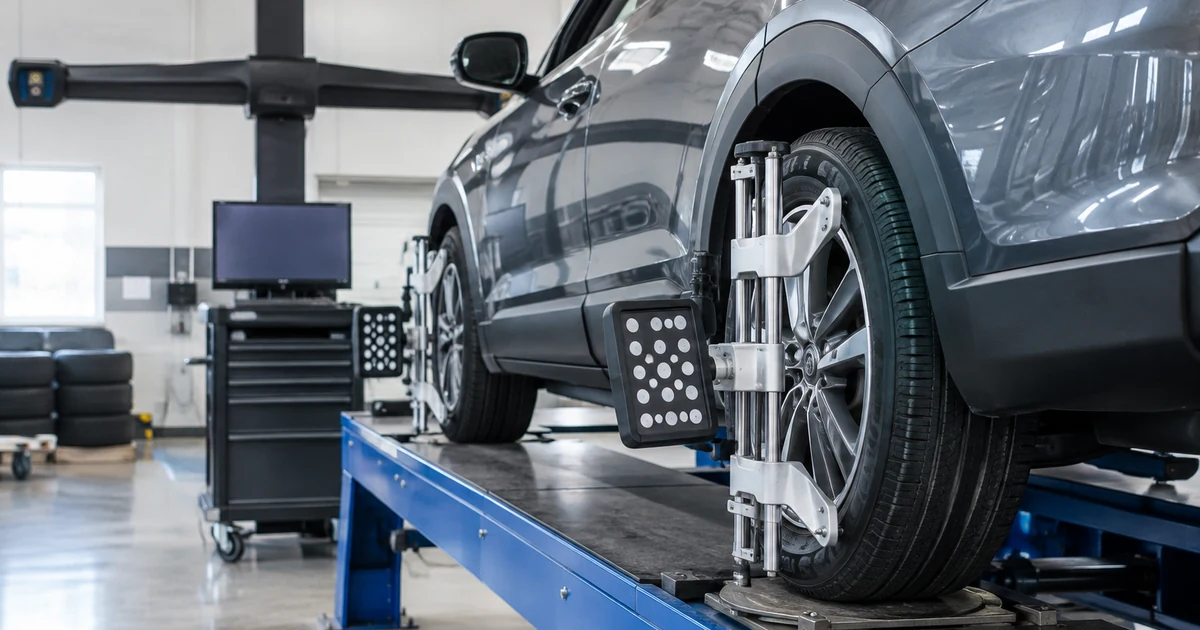
An alignment is labor on a specialized machine. The technician measures the angles of each wheel and adjusts them back to factory specs. Price depends on whether the vehicle needs a front-end or four-wheel alignment, how easy the adjusters are to work with, and whether driver-assist cameras or sensors need recalibrating afterward.
| Vehicle | Alignment type | Independent / tire chain | Dealer |
|---|---|---|---|
| Ford F-150 | Front + thrust angle | $90 – $170 | $150 – $260 |
| Chevrolet Silverado 1500 | Front + thrust angle | $90 – $170 | $150 – $260 |
| Toyota Camry | Four-wheel | $100 – $190 | $170 – $300 |
| Toyota RAV4 | Four-wheel | $100 – $190 | $160 – $280 |
| Honda Civic | Four-wheel | $90 – $180 | $140 – $250 |
| Honda Accord | Four-wheel | $100 – $180 | $150 – $260 |
| Honda CR-V | Four-wheel | $90 – $180 | $140 – $250 |
| Nissan Altima | Four-wheel | $100 – $180 | $150 – $260 |
| Chevrolet Equinox | Four-wheel | $100 – $190 | $160 – $270 |
| Jeep Wrangler | Front + thrust angle (solid axles) | $100 – $200 | $160 – $300 |
| Tesla Model 3 | Four-wheel | $120 – $220 | $180 – $300 |
| BMW 3 Series | Four-wheel | $150 – $250 | $220 – $400 |
These are estimates for common model years without lift kits or modifications, and before any ADAS calibration. RepairPal’s national estimates run from about $134 for a CR-V to over $300 at the high end for a Camry, reflecting repair-shop and dealer labor rates; tire chains are often lower.
2-Wheel vs. 4-Wheel Alignment Cost
| Alignment type | Typical cost | Used on |
|---|---|---|
| Front-end (2-wheel) | $60 – $130 | Older vehicles with non-adjustable rear axles |
| Thrust angle (front + rear check) | $80 – $170 | Trucks and SUVs with a solid rear axle |
| Four-wheel | $100 – $200 | Most modern cars, crossovers and AWD vehicles with independent rear suspension |
| Lifetime alignment package | About $180 – $280 | Unlimited alignments at one chain for as long as you own the car |
Kelley Blue Book puts a basic front-end alignment at about $65–$100, with lifetime packages around $200. Most cars on the road today need a four-wheel alignment, so be wary of a low advertised price that only covers the front wheels.
ADAS calibration
Many newer vehicles have lane-keeping cameras, radar cruise control and steering angle sensors that rely on the car’s thrust line. After an alignment, the manufacturer may require a steering angle sensor reset or a camera and radar calibration. Not every vehicle needs it, but many do. A single camera calibration typically adds $150–$400, and radar or multi-system calibration can cost more. Ask before the work starts whether your car needs it and whether the shop can do it in-house.
What Affects the Price
Suspension design
Vehicles with independent rear suspension need a four-wheel alignment. Trucks with a solid rear axle usually only need front adjustment plus a thrust angle check. Some vehicles have limited factory adjustment and need aftermarket camber bolts or kits to reach spec.
ADAS equipment
Driver-assist cameras and radar can require recalibration after an alignment. That can double the bill, and not every tire shop has the equipment.
Condition of the car
Rusty or seized adjusters, bent parts and worn tie rods, ball joints or control arm bushings all add time or parts. A shop can’t properly align a car with loose steering parts.
Lifted or modified vehicles
Lift kits and larger tires change the geometry and often take longer to set up, so many shops charge more.
Shop type and region
Dealers charge more than tire chains and independent shops, and prices run higher in the Northeast and on the West Coast. The estimator’s region setting adjusts for that.
What’s Included in a Wheel Alignment
- A check of tire pressures and a visual inspection of tires and steering and suspension parts
- Measurement of camber, caster and toe on the alignment rack
- Adjustment of each angle within manufacturer specs, where adjustable
- Centering the steering wheel
- A before-and-after printout of the measurements
Ask for the printout. It shows which angles were out of spec and proves the adjustments were made. If a part is too worn to hold an alignment, the shop should tell you before charging for adjustments. Worn tie rod ends are the most common reason; see our tie rod replacement cost guide.
How Often Do You Need an Alignment?
There’s no universal mileage interval. Get the alignment checked:
- When you buy new tires, to protect the investment
- After replacing steering or suspension parts such as tie rods, control arms, ball joints or struts
- After hitting a large pothole or curb, or a minor collision
- When you notice any of the symptoms below
- About once a year as a check if you drive on rough roads
Some shops recommend an alignment every six months; that’s more often than most cars need. A check costs little or nothing at many tire shops, and an adjustment is only needed if the measurements are out of spec.
Signs You Need a Wheel Alignment
- The car pulls or drifts to one side on a straight, flat road
- The steering wheel is off-center when driving straight
- Tire wear on only the inside or outside edge
- Squealing tires on normal turns
- Loose or wandering steering
A vibration at highway speed is usually a balance problem, not alignment; see our tire balancing cost guide. A pull can also come from a sticking brake caliper or a tire with uneven internal construction, so a good shop checks those too.
Can You Drive With Bad Alignment?
With mild misalignment, yes, but it eats tires. An alignment far enough out to wear a tire’s edge can ruin a set in a few thousand miles, and badly worn edges reduce grip in the wet. If the car pulls hard, the steering feels loose or the wheel changed position suddenly after an impact, have it checked right away: that can mean a bent or broken steering or suspension part, which is a safety issue.
DIY vs. Taking It to a Shop
Difficulty: 5 out of 5 for a proper alignment. Accurate four-wheel alignment requires a computerized rack, and ADAS calibration requires specialized targets and scan tools. String-and-tape methods can get toe close on older vehicles, but they’re no substitute for measuring camber, caster and thrust angle. This is a job to leave to a shop.
What you can do yourself: keep tire pressures correct, look at your tread for edge wear, and notice whether the steering wheel is centered. Those catch most alignment problems early.
Is an Alignment Worth Paying For?
When the car actually needs one, yes. A single alignment usually costs less than one new tire, and a badly misaligned car can wear the edges off a set of tires in a few thousand miles. If you just bought new tires, an alignment is cheap insurance. If the car tracks straight, the steering wheel is centered and the tires wear evenly, you can usually skip it until something changes.
Is a Lifetime Alignment Worth It?
A lifetime alignment package pays off after roughly two alignments at the same chain. It makes sense if you plan to keep the car several more years, drive on rough roads, or replace tires and suspension parts often. It doesn’t make sense if you might sell the car soon, move away from that chain, or rarely need alignments. Read the terms: packages usually cover one vehicle, require the car to be owned by the buyer, and may exclude ADAS calibration or parts.
How to Save Money on a Wheel Alignment
- Ask for a free alignment check first, and pay for adjustment only if it’s out of spec.
- Bundle it with new tires, when many retailers discount it.
- Use a tire chain or independent shop instead of the dealer, if they can handle any required ADAS calibration.
- Consider a lifetime package if you’ll keep the car for years.
- Fix worn parts first, so you only pay for the alignment once.
- Check coupons on tire and service chain websites.
- Rotate tires on schedule so small alignment issues show up before they ruin a set; see our tire rotation cost guide.
Frequently Asked Questions
How much does a wheel alignment cost?
Most drivers pay $75 to $200, with about $140 typical for a four-wheel alignment at an independent shop or tire chain. Front-end alignments run about $60 to $130, and dealers charge more.
How much is a 4-wheel alignment?
Usually $100 to $200 at independent shops and tire chains, and $150 to $300 or more at a dealer. Luxury cars and vehicles needing ADAS calibration cost more.
Do I need a 2-wheel or 4-wheel alignment?
Most modern cars and crossovers with independent rear suspension need a four-wheel alignment. Trucks and SUVs with a solid rear axle usually get a front alignment with a thrust angle check. Your shop should tell you which applies.
How often should you get an alignment?
There’s no fixed interval. Have it checked with new tires, after suspension or steering work, after a hard pothole or curb hit, or if the car pulls or wears tire edges. A yearly check is reasonable on rough roads.
What is ADAS calibration and why does it cost extra?
It’s re-aiming the cameras and radar used for lane-keeping and adaptive cruise so they match the car’s new thrust line. It takes targets and scan tools, and a single camera calibration commonly adds $150 to $400.
How long does a wheel alignment take?
About an hour for most cars. Seized adjusters, needed repairs or ADAS calibration can add time.
Is a lifetime alignment worth it?
It usually pays for itself after about two alignments. It’s a good deal if you’ll keep the car for years and stay near the chain, but not if you’re selling soon.