Control Arm Replacement Cost by Vehicle
The table shows one front lower control arm assembly (with new bushings and, where built in, a new ball joint) at an independent shop, not including the alignment (add about $75 to $170). These are estimates for common model years and engines; OEM parts and dealer labor push totals higher.
| Vehicle | Parts | Labor | Total |
|---|---|---|---|
| Ford F-150 | $250 – $600 | $250 – $450 | $500 – $1,050 |
| Chevrolet Silverado 1500 | $200 – $450 | $250 – $400 | $450 – $850 |
| Toyota Camry | $150 – $400 | $200 – $320 | $350 – $720 |
| Toyota RAV4 | $150 – $400 | $200 – $320 | $350 – $720 |
| Toyota Corolla | $130 – $380 | $200 – $300 | $330 – $680 |
| Honda Civic | $120 – $350 | $180 – $300 | $300 – $650 |
| Honda Accord | $150 – $420 | $200 – $330 | $350 – $750 |
| Honda CR-V | $180 – $500 | $220 – $350 | $400 – $850 |
| Nissan Altima | $140 – $380 | $200 – $320 | $340 – $700 |
| Chevrolet Equinox | $140 – $400 | $200 – $330 | $340 – $730 |
| Jeep Wrangler (lower arm) | $60 – $250 | $120 – $250 | $180 – $500 |
| Jeep Grand Cherokee | $200 – $500 | $250 – $400 | $450 – $900 |
| BMW 3 Series | $150 – $450 | $220 – $380 | $370 – $830 |
Solid-axle vehicles such as the Jeep Wrangler use simpler control arms (sometimes called links) that are cheaper to replace. Trucks with heavy forged arms, and SUVs where the subframe or other parts must be loosened to get the arm out, sit at the top of the range.
Cost Breakdown: Parts vs. Labor
A control arm is sold as an assembly. On many cars it comes with new bushings and a built-in ball joint, which is why the part costs more than a standalone ball joint. Budget aftermarket arms can cost under $120, quality aftermarket assemblies roughly $100 to $350, and OEM arms more. Book labor is typically 1 to 3 hours per arm, or about $150 to $450 at independent shop rates.
| Job (independent shop) | Parts | Labor | Total, before alignment |
|---|---|---|---|
| One front lower control arm | $200 – $550 | $150 – $450 | $450 – $975 |
| One front upper control arm | $150 – $450 | $150 – $400 | $400 – $850 |
| Both front lower arms | $400 – $1,100 | $280 – $750 | $800 – $1,800 |
| Upper and lower, one side | $350 – $1,000 | $280 – $700 | $800 – $1,700 |
| One rear control arm | $80 – $350 | $120 – $350 | $300 – $750 |
OEM vs. aftermarket arms
Quality aftermarket control arms usually save around $50 to $150 per side compared with OEM parts. The cheapest arms can use lower-grade bushings that wear out sooner, so a mid-range part with a good warranty is often the best value. OEM arms make the most sense on luxury cars and vehicles with sensitive handling.
Why the alignment is needed
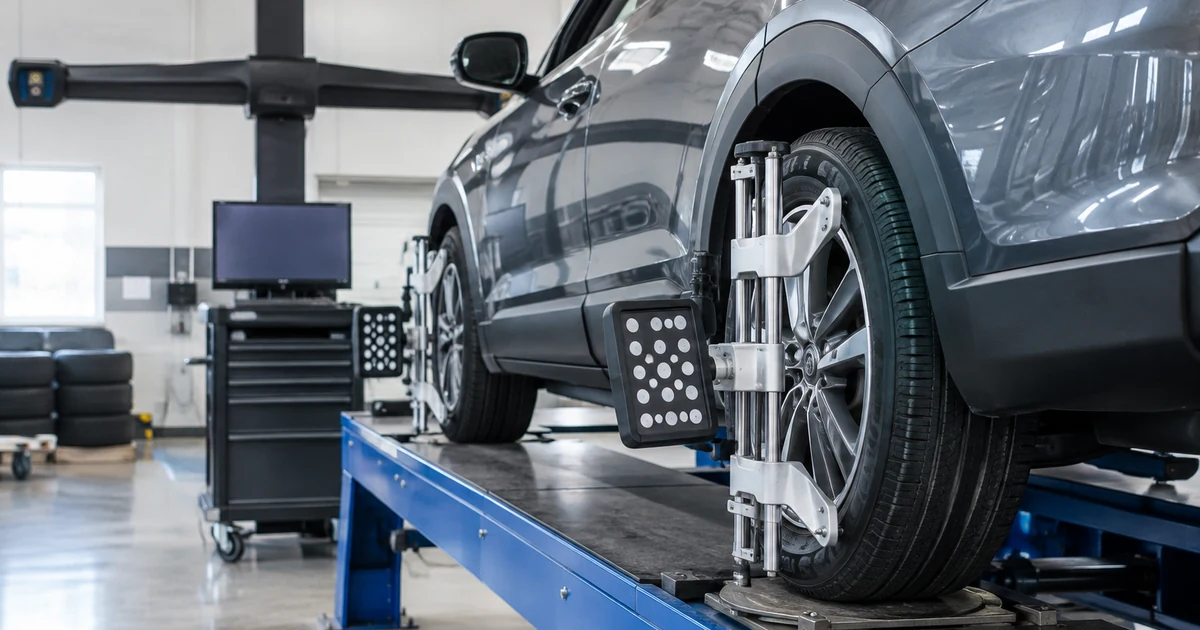
The control arm locates the wheel. Once it is unbolted and replaced, camber and toe can shift, so shops perform a wheel alignment afterward. A front-end alignment typically costs about $50 to $75 and a four-wheel alignment about $100 to $170, so plan on $75 to $170 extra. One alignment covers all the work done at the same visit.
Dealer vs. independent vs. DIY
| Option | One lower arm, with alignment | Notes |
|---|---|---|
| Independent shop | $525 – $1,145 | Aftermarket or OEM parts |
| Dealership | $680 – $1,490 | OEM parts, higher labor rate |
| DIY + shop alignment | $240 – $520 | Part cost plus the alignment |
What Affects the Price
Vehicle and suspension design
Front lower arms on compact cars are usually the simplest. Trucks, AWD SUVs and multi-link European suspensions can have several arms per corner, heavier parts or subframe bolts in the way, which adds labor.
Lower vs. upper, front vs. rear
Most cars and crossovers with MacPherson strut front suspension have only a lower control arm up front, and it carries most of the load, so it is the one that wears. Trucks and many SUVs use both upper and lower arms. Rear control arms are usually smaller and cheaper, though some independent rear suspensions have several arms per side and a shop may recommend replacing them as a set.
Part quality and what is included
Check what the quote includes. An arm with pre-installed bushings and ball joint costs more but saves labor. A bare arm that needs bushings pressed in is cheaper to buy and more expensive to install.
Shop type
Dealer labor commonly runs $150 to $220 an hour versus about $110 to $150 at independent shops, so dealer totals are typically 20% to 40% higher.
Region
Big-city and coastal labor rates are higher than in the South and Midwest. The region selector in the estimator adjusts for this.
Rust and related parts
Seized bolts in rust-belt states can add an hour or more. Shops often find worn sway bar links, tie rod ends or struts at the same time. Doing them together saves labor overlap and a second alignment.
Symptoms of a Bad Control Arm
- Clunking or knocking over bumps, when braking or when accelerating from a stop.
- Steering wander or a car that drifts and needs constant correction.
- Vibration in the steering wheel that gets worse at speed.
- Uneven or rapid tire wear on the front tires.
- Visible cracks or torn rubber in the control arm bushings, or a bent arm after hitting a curb or pothole.
- Car pulls under braking as worn bushings let the wheel shift.
Similar clunks come from worn ball joints, sway bar links and tie rods, and a hum that grows with speed usually means a wheel bearing. Ask the shop to show you the play or damage before approving the job.
Can You Drive With a Bad Control Arm?
Only briefly and carefully. Worn bushings mainly cause noise and sloppy handling, but a bent arm or a failing built-in ball joint can let the wheel move out of position, which affects steering and braking. If the car pulls hard, a wheel looks out of line, or the steering suddenly feels loose, stop driving and have it towed. With mild bushing noise, get it inspected soon and avoid highway speeds until then.
DIY vs. Taking It to a Shop
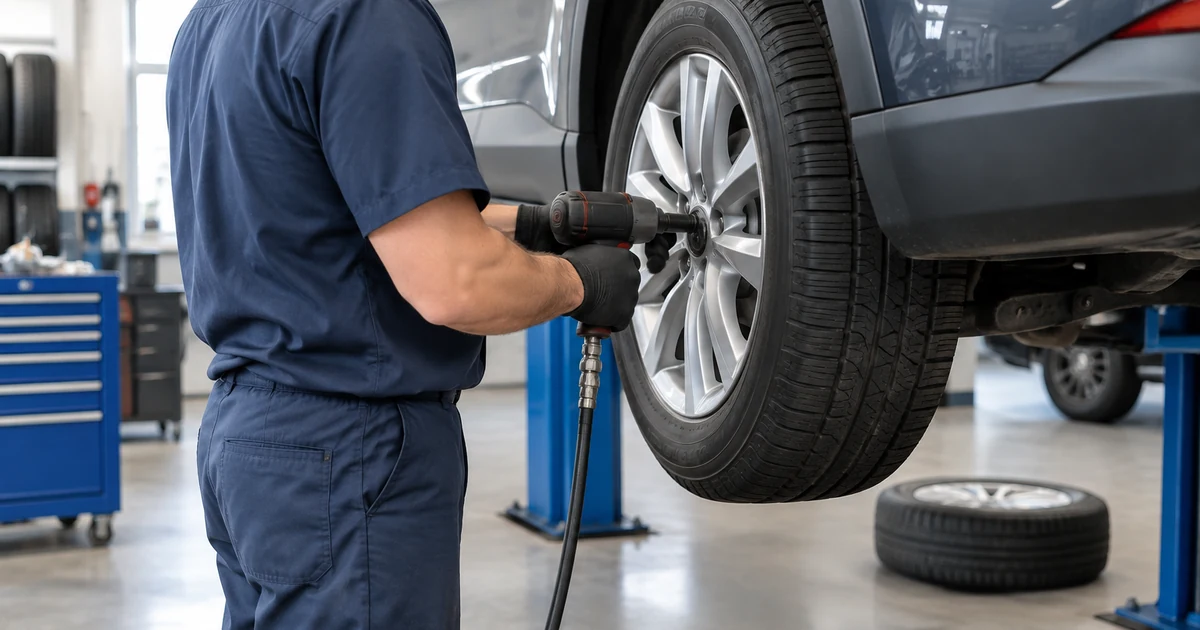
Difficulty: 3 out of 5 for a bolt-in lower arm on a typical car, 4 out of 5 on trucks and multi-link suspensions. You need a jack and stands, a breaker bar, a ball joint separator, penetrating oil and a torque wrench. Many bushings must be tightened with the suspension at ride height, not hanging, or they tear early. Expect 1.5 to 3 hours per side for a first-timer.
Because the car needs an alignment anyway and the parts are safety-critical, many owners let the alignment shop handle the whole job.
Is It Worth Fixing?
For most cars, yes. A control arm job typically costs less than a thousand dollars and restores safe handling and normal tire wear. On an older, high-mileage vehicle, ask for a full front-end inspection first. If the quote grows to include both arms, struts and tie rods on a car worth only a couple of thousand dollars, compare the total with the car’s value before deciding. Either way, do not keep driving on a bent or loose arm.
How to Save Money on Control Arm Replacement
- Get a second quote and compare the same scope: which arms, what brand and whether the alignment is included.
- Use an independent shop instead of the dealer.
- Choose a quality aftermarket arm with pre-installed bushings and ball joint and a solid warranty.
- Ask about bushings only if the arm itself and ball joint are still good.
- Bundle front-end work so you pay for one alignment instead of two.
- Check for recalls and warranties; some models have had control arm recalls, and newer cars may still be covered.
See also how we estimate costs.
Frequently Asked Questions
Do you need an alignment after replacing a control arm?
Yes. The control arm holds the wheel in position, so replacing it changes the alignment angles. Shops perform an alignment afterward, which typically adds $75 to $170.
Should control arms be replaced in pairs?
It is not required. If one arm was bent in an impact, replacing just that side is fine. If the bushings are worn from age and mileage, the other side is often close behind, and doing both saves a second alignment.
How long does it take to replace a control arm?
Most control arms take about 1 to 3 hours each, plus roughly an hour for the alignment. Rusty trucks and multi-link suspensions take longer.
Can I replace just the control arm bushings?
Often yes. Bushings can be pressed into the existing arm, which saves on parts but adds labor. On many cars a complete aftermarket arm with new bushings and ball joint costs about the same, so ask the shop to price both.
How long do control arms last?
The arm itself can last the life of the car unless it is bent. The rubber bushings and built-in ball joints wear out, usually at higher mileage and sooner on rough roads, after pothole or curb impacts, or in rust-belt climates.
Is a bad control arm dangerous?
It can be. Worn bushings mostly cause noise and vague handling, but a bent arm or failing ball joint can let the wheel shift and affect steering and braking. Get it inspected promptly.