Do You Need an OBD2 Scanner?
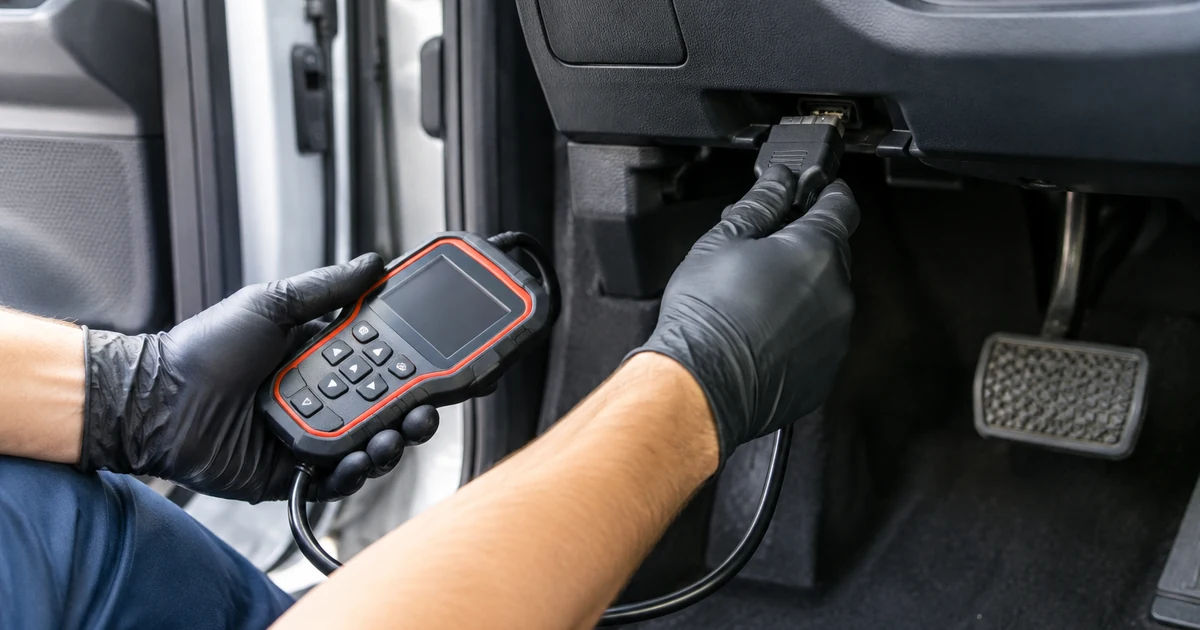
Every gas car and light truck sold in the US since the 1996 model year has an OBD2 port, usually under the dashboard near the steering column. When the check engine light comes on, the car’s computer stores a diagnostic trouble code (DTC) such as P0420 or P0171. An OBD2 scanner plugs into that port and reads it.
The code tells you which system flagged a problem, not which part to buy. That difference matters more than any feature on the box. A scanner is worth owning if you want to:
- Know whether a check engine light is a loose gas cap or something urgent, before you call a shop
- Check a quote: if the shop says you need a catalytic converter, you can see the code yourself
- Do your own repairs and confirm they worked
- Check readiness monitors before a state emissions test
- Screen a used car before you buy it
If you only need a code read once in a while, you may not need to buy anything. O’Reilly offers free check engine light scans at its stores with a printed report of possible causes, and AutoZone offers a free code scan at its US stores. Those scans read the codes but don’t replace a full diagnosis.
What a Scanner Saves You
A shop charges to find the cause of a check engine light. RepairPal’s 2025 estimate for a check engine light diagnosis on a Honda Civic is $122 to $179, and most shops charge $100 to $200 for about an hour of diagnostic time. Complex or intermittent problems can take longer, and dealers charge more.
A scanner doesn’t replace that work on hard problems. It does save you money in three common situations:
- Simple causes. An EVAP code after a fill-up is often a loose or worn gas cap, a $20 to $60 fix. Our P0455 code guide explains how to check it.
- Repeat problems. If you know your car’s weak spots, live data can confirm a failing coil or sensor without a shop visit.
- Better conversations with the shop. Walking in with the code and freeze frame data makes it harder to be sold parts you don’t need.
For most drivers, a $20 to $150 scanner pays for itself the first time it saves one diagnostic fee or one unnecessary part.
OBD2 Scanner Types Compared
| Type | Typical price | What it can do | What it can’t do | Best for |
|---|---|---|---|---|
| Basic code reader (handheld) | $20 – $60 | Read and clear engine codes, freeze frame, emissions readiness; many show basic live data | ABS, airbag (SRS), transmission codes on most cars; service resets | Most drivers who just want to know why the light is on |
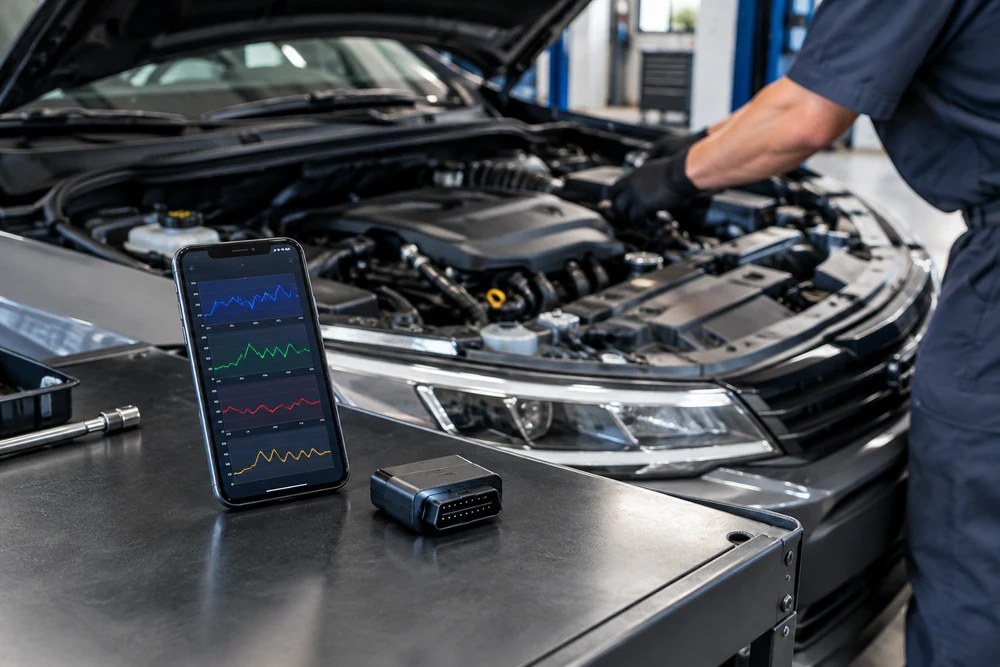
| Bluetooth dongle + phone app | $20 – $150 | Engine codes and live data on your phone; better ones read ABS, SRS and transmission codes on supported makes and give repair suggestions | Depends entirely on the app; cheap adapters with free apps are limited, and some apps charge subscriptions | Drivers who want live data and repair info without a handheld tool |
| Mid-range scan tool (ABS/SRS) | $100 – $250 | Engine, transmission, ABS and airbag codes, graphed live data, built-in code library | Bidirectional tests; many models have few or no service resets | DIYers chasing ABS or airbag lights |
| Bidirectional / pro tablet | $300 – $1,000+ | Full-system scans, active tests (turn on a fuel pump, cycle a solenoid), service functions like oil reset, steering angle calibration, ABS bleeding, electronic parking brake service | Coverage varies by make and year; software updates often need a paid renewal after the included period | Serious home mechanics and small shops |
Prices are typical ranges for each type in 2026 and change often. A pricier tool only helps if your vehicle is supported for the functions you need, so check compatibility by year, make and model before buying.
Features That Matter (and Ones That Don’t)
Must-haves
- Code definitions on screen, so you don’t need to look up every code.
- Freeze frame data: a snapshot of engine conditions (speed, temperature, fuel trims) at the moment the code set. It’s often the best clue to the cause.
- Emissions readiness (I/M monitors): shows whether the car is ready for a smog test. Clearing codes resets these monitors, so the car needs to be driven before an inspection.
- Pending and permanent codes, which catch problems before the light comes on and show faults the car hasn’t confirmed as fixed.
Worth paying for if you do your own repairs
- Live data with graphing: watch oxygen sensors, fuel trims and coolant temperature in real time. Essential for lean codes like P0171.
- Mode 6 data: raw test results that can show which cylinder is close to misfiring, useful for P0300 random misfire codes.
- ABS, SRS and transmission coverage if you want to diagnose warning lights other than the check engine light.
- Battery and charging tests on some handhelds.
Only for advanced users
- Bidirectional control lets the tool command parts on and off to test them. Very useful, but only if you know what result to expect.
- Service resets such as electronic parking brake retraction for rear brake jobs, battery registration, steering angle sensor calibration and ABS bleeding.
- Security gateway access on 2018 and newer Chrysler, Dodge, Jeep and Ram vehicles, which may require a separate paid account.
What to watch out for
- Subscriptions. Some app-based scanners lock features behind a monthly fee, and many tablets include only a year of updates. Read the fine print.
- Vague “all vehicles” claims. Basic OBD2 functions work on nearly all 1996+ gas cars, but ABS, SRS and service functions depend on the make, model and year.
- Diesels, EVs and older cars. Many consumer scanners don’t support diesels, and most EV systems are proprietary. Pre-1996 cars use OBD1 and need different tools.
OBD2 Scanner Picks by Type
These picks are based on published specifications, vehicle coverage and features from the manufacturers’ listings, chosen so there’s one clear option for each type of user. They were not hands-on tested by Real Repair Cost. Each was listed as available on Amazon US when this guide was updated. As an Amazon Associate, Real Repair Cost earns from qualifying purchases.
Basic code reader: Autel AutoLink AL319
A wired handheld for 1996 and newer OBD2 vehicles. Per the listing, it reads and clears engine codes, looks up code definitions, shows live data and freeze frame, and has a one-click emissions readiness button. It has a 2.4-inch color screen and runs off the car’s port, with no batteries needed. The manufacturer states it does not read ABS or airbag (SRS) codes and has no service resets. It’s a fit for drivers who just want to know why the check engine light is on.
Bluetooth with repair reports: BlueDriver Bluetooth Pro OBD2 Scanner
A small sensor that plugs into the port and pairs with an iPhone or Android app. The manufacturer lists enhanced codes for ABS, SRS, TPMS and transmission on supported makes, live data, freeze frame, smog readiness and Mode 6, plus repair reports matched to your VIN. It states there are no subscription fees. It works with 1996 and newer gas vehicles sold in North America; the listing says it does not support diesels.
Bluetooth for enthusiast apps: OBDLink MX+
A Bluetooth adapter for iPhone, Android and Windows. Instead of one built-in app, it’s designed to work with third-party apps the manufacturer names, including FORScan, Torque, BimmerCode and Carista, and lists enhanced support for Ford, GM, Mazda, Nissan, Toyota, Honda, Hyundai and Kia. It includes battery drain protection. A fit if you already use, or want to use, a specific app for your car brand.
Mid-range ABS/SRS scanner: Foxwell NT604 Elite
A wired handheld with a 4.3-inch screen that reads and clears codes in four systems: engine, transmission, ABS and airbag (SRS). The listing includes graphed live data, AutoVIN, a built-in code library and a protective case. The manufacturer states it does not perform service functions such as oil reset or ABS bleeding, and it can’t clear crash data from an airbag module. A fit for DIYers who need to read an ABS or airbag light.
Entry bidirectional: Innova 5610
A wired handheld with a 3.5-inch screen that adds bidirectional tests on supported vehicles, such as switching the fuel pump on and off or retracting an electronic parking brake. The listing includes enhanced live data for ABS, SRS, transmission and engine, special reset functions and pairing with Innova’s RepairSolutions2 app. Innova says coverage varies by vehicle and recommends its online coverage checker before buying.
Pro-style tablet: Autel MaxiCheck MX808S
A 7-inch Android tablet with a wired connection. The listing describes full-system diagnostics, bidirectional active tests, and more than 28 service functions including oil reset, steering angle calibration, ABS bleeding, electronic parking brake and battery reset. One year of software updates is included; after that, the tool keeps working with its existing software, and renewing updates is a paid subscription. Access to 2018+ FCA vehicles requires a separate gateway account. A fit for serious home mechanics.
How to Choose the Right Scanner
- Start with your goal. Just want to know why the light is on? A basic code reader is enough. Want to fix things yourself? Get live data. ABS or airbag light? You need a tool that reads those systems on your make.
- Check vehicle coverage. Use the manufacturer’s compatibility checker for your exact year, make and model, especially for anything beyond engine codes.
- Decide handheld vs. phone. Handhelds work without a phone or internet connection and stay in the glove box. Bluetooth dongles are smaller and often have better repair information in the app.
- Read the update and subscription terms. Know what you get for free and what you’ll pay later.
- Don’t overbuy. Bidirectional tools are powerful, but only useful if you know how to interpret the tests.
When a Scanner Isn’t Enough
Codes point to a system, not a part. A P0420 catalytic converter code, for example, can come from an exhaust leak or a bad oxygen sensor rather than the converter itself. Replacing parts based only on a code is how DIY repairs get expensive. Pay for a professional diagnosis when:
- The check engine light is flashing, which signals a severe misfire. Reduce speed and get it to a shop; driving on it can damage the catalytic converter.
- The car runs poorly, overheats, or has a brake or airbag warning light on
- The same code returns after you’ve fixed the obvious cause
- Several unrelated codes appear at once, which can point to a wiring, power or ground problem
How to Save on Check Engine Light Diagnosis
- Get the free code read first at a parts store, or use your own scanner, so you know what you’re dealing with.
- Tighten or replace the gas cap on an EVAP code and drive a few days before paying for diagnosis.
- Ask whether the diagnostic fee is credited toward the repair if you have the shop do the work.
- Use an independent shop; dealers typically charge about 30% more per hour.
- Ask for all stored codes on the repair order so you have a record if the problem returns.
- Check warranties. Federal emissions warranties cover the catalytic converter and engine computer for 8 years or 80,000 miles on most vehicles.
Frequently Asked Questions
What is the best OBD2 scanner for beginners?
A basic handheld code reader with code definitions, freeze frame and emissions readiness covers what most beginners need. If you’d rather use your phone, a Bluetooth scanner with a good app adds live data and repair suggestions. Choose based on your goal and your vehicle’s coverage, not the longest feature list.
Is a Bluetooth OBD2 scanner as good as a handheld?
It can be. The adapter matters less than the app it uses: some apps read ABS, airbag and transmission codes and give repair reports, while cheap adapters with free apps only read engine codes. Handhelds work without a phone and are simpler to keep in the car.
Can an OBD2 scanner read ABS and airbag codes?
Only some can. Basic code readers read engine and emissions codes. Mid-range scan tools and better Bluetooth scanners read ABS, SRS (airbag) and transmission codes on supported makes and models, so check coverage for your vehicle.
Can I get my check engine light read for free?
Yes. O’Reilly offers free check engine light scans with a printed report, and AutoZone offers a free code scan at its US stores. A free code read tells you the code, but it isn’t a full diagnosis of which part has failed.
How much does a check engine light diagnosis cost at a shop?
Most shops charge $100 to $200, typically about an hour of labor, and many credit it toward the repair. RepairPal’s 2025 estimate for a Honda Civic is $122 to $179. Complex or intermittent problems and dealer visits cost more.
Is it OK to clear a check engine code with a scanner?
You can, but write down the code and freeze frame data first. Clearing it erases those clues and resets the emissions readiness monitors, so the car may fail an inspection until it has been driven. The light will come back if the problem isn’t fixed.
What does a bidirectional scanner do?
A bidirectional scanner sends commands to the car, such as turning on the fuel pump, cycling a solenoid or retracting an electronic parking brake, so you can test parts directly. Many also perform service resets. It’s most useful for experienced DIYers.