Ball Joint Replacement Cost by Vehicle
The table shows one lower ball joint on one side at an independent shop, not including the alignment (add about $75 to $170). These are estimates for common model years and engines; 4×4 trucks, performance trims and dealer pricing run higher.
| Vehicle | Parts | Labor | Total |
|---|---|---|---|
| Ford F-150 | $50 – $150 | $200 – $320 | $250 – $470 |
| Chevrolet Silverado 1500 | $50 – $150 | $220 – $350 | $270 – $500 |
| Ram 1500 | $50 – $150 | $210 – $340 | $260 – $490 |
| Toyota Camry | $50 – $150 | $200 – $300 | $250 – $450 |
| Toyota RAV4 | $40 – $120 | $180 – $300 | $220 – $420 |
| Toyota Corolla | $40 – $110 | $180 – $300 | $220 – $410 |
| Honda Civic | $30 – $100 | $160 – $250 | $190 – $350 |
| Honda Accord | $40 – $110 | $180 – $280 | $220 – $390 |
| Honda CR-V | $30 – $100 | $150 – $230 | $180 – $330 |
| Nissan Altima | $40 – $110 | $180 – $290 | $220 – $400 |
| Chevrolet Equinox | $40 – $120 | $180 – $300 | $220 – $420 |
| Jeep Wrangler | $60 – $180 | $250 – $400 | $310 – $580 |
| Jeep Grand Cherokee | $50 – $150 | $200 – $330 | $250 – $480 |
| BMW 3 Series | $80 – $250 | $200 – $320 | $280 – $570 |
On many modern cars, including a lot of European models, the lower ball joint is built into the control arm and is not sold separately. In that case the shop replaces the whole arm, which costs more; see our control arm replacement cost guide. Solid-axle 4x4s such as the Jeep Wrangler usually have an upper and a lower joint on each side, and shops often quote them as a set.
Cost Breakdown: Parts vs. Labor
A ball joint is a small part. Most aftermarket joints cost about $20 to $150, greasable heavy-duty joints for trucks sit at the upper end, and OEM parts for luxury cars can cost more. Labor is the bigger share: book time is usually 1 to 3 hours per joint, which comes to roughly $150 to $320 at typical independent shop rates of $110 to $150 an hour.
| Job (independent shop) | Parts | Labor | Total, before alignment |
|---|---|---|---|
| One lower ball joint | $20 – $150 | $150 – $320 | $200 – $450 |
| One upper ball joint | $20 – $130 | $140 – $290 | $180 – $400 |
| Both lower ball joints | $40 – $260 | $280 – $520 | $350 – $750 |
| Upper and lower, one side | $40 – $260 | $280 – $520 | $350 – $750 |
| All four (truck / 4×4) | $100 – $500 | $550 – $950 | $700 – $1,400 |
Press-in vs. bolt-on joints
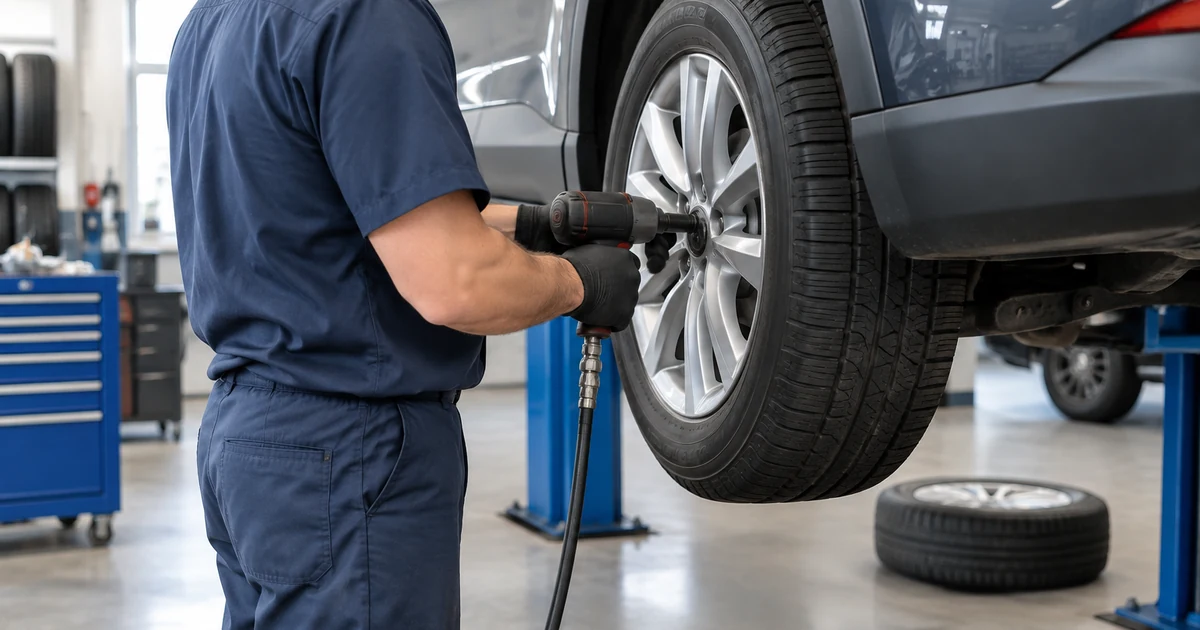
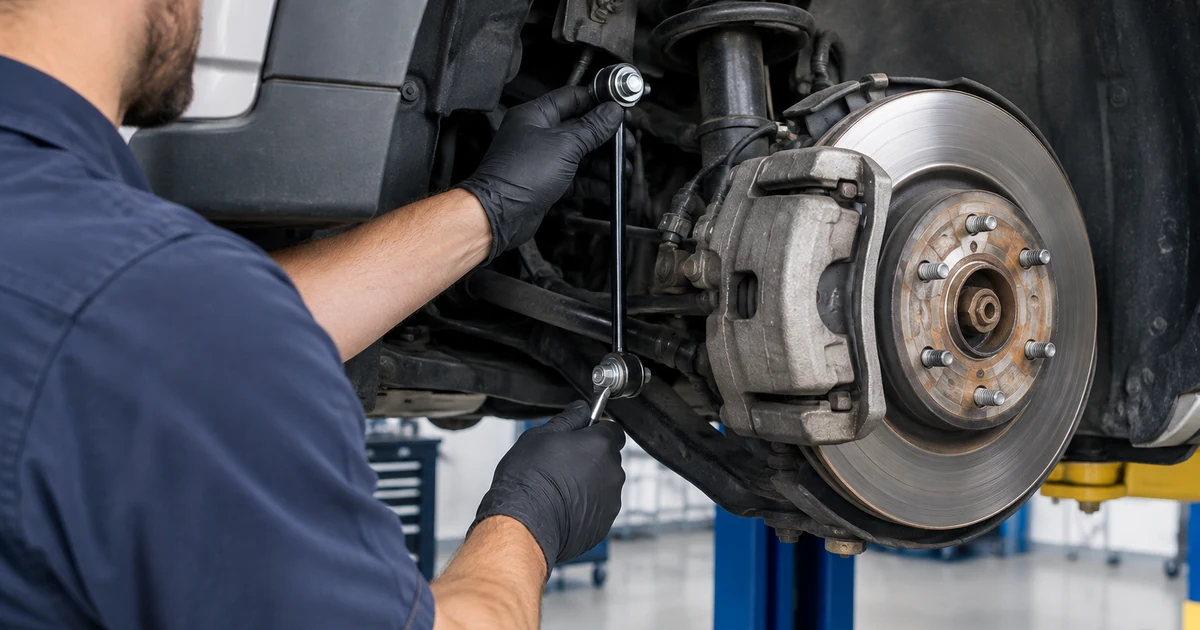
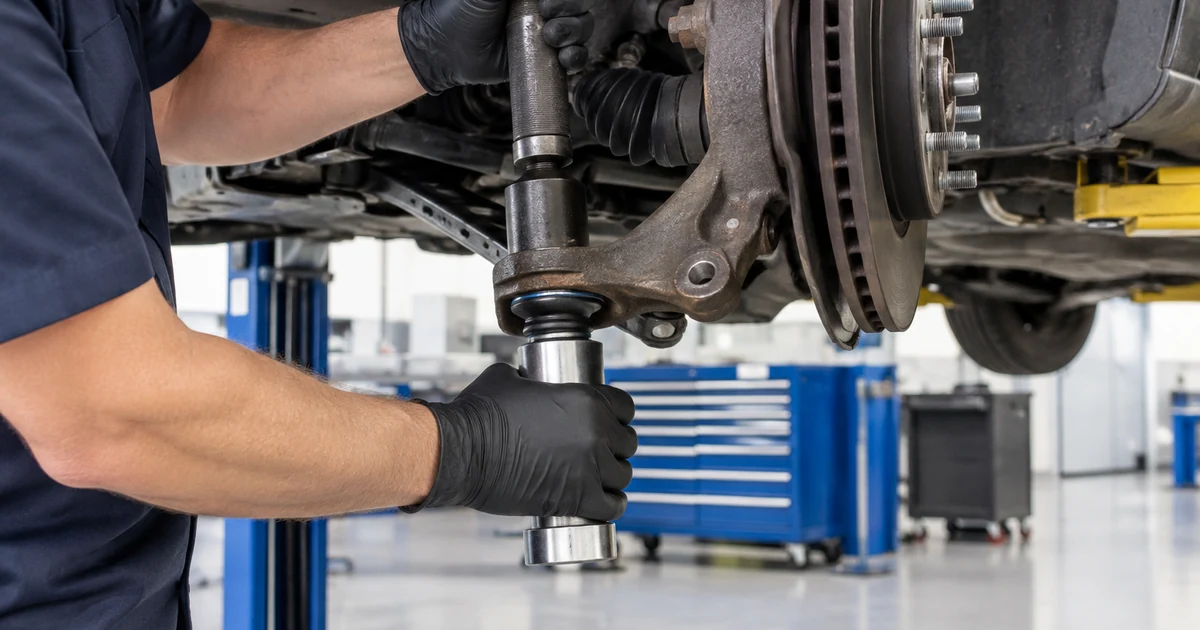
How the joint is attached decides most of the labor. A bolt-on ball joint comes off with a few bolts and is a quick job. A press-in joint has to be pushed out of the control arm or steering knuckle with a ball joint press, which takes longer and can get difficult on rusty vehicles. If the joint is integrated into the control arm, the part costs more but the labor is often similar or lower.
Why an alignment is usually added
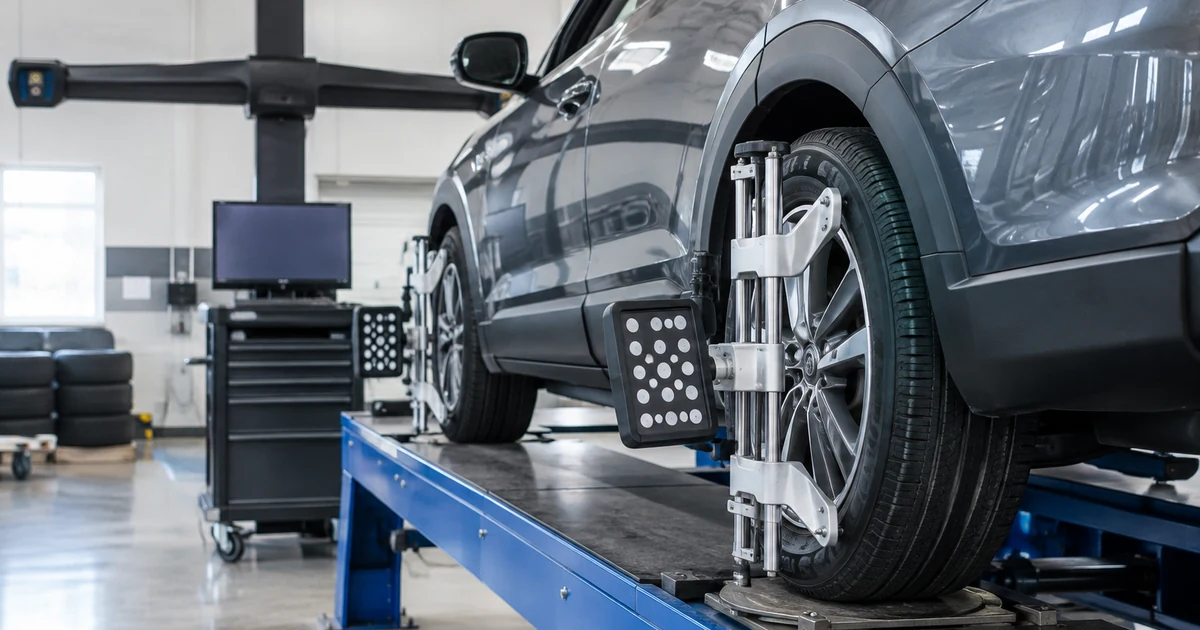
Removing a ball joint means separating the steering knuckle from the suspension. Many shops recommend or require a wheel alignment afterward to make sure camber and toe are back in spec. Budget $75 to $170 for a front or four-wheel alignment. If you replace several front-end parts, one alignment covers them all.
Dealer vs. independent vs. DIY
| Option | One lower ball joint, with alignment | Notes |
|---|---|---|
| Independent shop | $275 – $620 | Aftermarket or OEM parts |
| Dealership | $360 – $800 | OEM parts, higher labor rate |
| DIY + shop alignment | $110 – $250 | Needs a ball joint press on most vehicles |
What Affects the Price
Vehicle type and suspension design
Compact cars with one bolt-on lower joint per side are the cheapest. Pickup trucks and 4x4s often have upper and lower joints, heavier parts and more rust, so labor climbs. Luxury and European cars frequently use multi-link front ends where the joint comes with the arm.
Part quality
Economy non-greasable joints are the least expensive. Greasable heavy-duty joints cost more but are popular on trucks because they can be serviced. OEM parts cost more but match the original fit.
Shop type
Dealer labor rates are often $150 to $220 an hour, compared with about $110 to $150 at independent shops, so the same job commonly costs around 30% more at a dealer.
Region
Labor rates in large coastal metro areas are well above those in the South and Midwest. Use the region selector in the estimator above to adjust.
Related parts replaced at the same time
Worn ball joints often come with worn tie rod ends, control arm bushings or sway bar links. Replacing them together saves overlapping labor and a second alignment. Just make sure every extra part on the quote has a clear reason.
Symptoms of a Bad Ball Joint
- Clunking or knocking from the front end over bumps, dips or driveway entrances.
- Loose or wandering steering that needs constant small corrections.
- Vibration felt through the steering wheel or floor.
- Uneven tire wear, often on the inner or outer edge of a front tire.
- Squeaking or creaking when turning or going over speed bumps, typical of a dry joint with a torn boot.
- Car pulls to one side or the steering wheel is off-center.
A clunk from the front can also come from a worn sway bar link or tie rod. A hum that grows with speed points instead to a wheel bearing, and clicking in tight turns to a CV axle. A good mechanic will check for play with the wheel off the ground before replacing anything.
Can You Drive With a Bad Ball Joint?
Not for long. Ball joints hold the steering knuckle to the suspension. A worn joint first causes noise and sloppy steering, but if it separates, the wheel can fold under the car and you can lose control, often at the worst possible moment. If you hear loud clunking, feel the steering suddenly go loose, or see a wheel leaning at an odd angle, stop driving and have the car towed. With early symptoms, drive gently, avoid highways if you can and get it inspected within days.
DIY vs. Taking It to a Shop
Difficulty: 3 out of 5 for a bolt-on joint, 4 out of 5 for a press-in joint. You need a jack and stands, a breaker bar, a ball joint separator or pickle fork, a torque wrench and, for press-in joints, a ball joint press kit (many parts stores loan them). Expect 1.5 to 3 hours per side for a first-timer, longer if bolts are seized.
Ball joints are safety-critical, and the lower control arm is often under spring tension. If you are not confident with torque specs and cotter pins, let a shop do it. You still need an alignment afterward either way.
Is It Worth Fixing?
Almost always. A ball joint job costs a few hundred dollars, which is small compared with the value of most running cars, and driving on a failing joint is dangerous. On a very old car with rust everywhere, ask the shop for a full front-end inspection first, because a quote that grows to include both control arms, tie rods and struts can change the math. Even then, the car should not be driven until the ball joints are fixed.
How to Save Money on Ball Joint Replacement
- Get a second quote and compare the same scope: which joints, press-in or arm, and alignment included.
- Use an independent shop or a suspension and alignment specialist instead of the dealer.
- Choose quality aftermarket parts; well-known aftermarket ball joints are common and often come with long warranties.
- Bundle front-end work such as tie rod ends so you pay for only one alignment.
- Replace in pairs when both sides are worn; the second joint is cheaper when the car is already on the lift.
- Check warranties: some aftermarket parts carry lifetime part warranties, and newer cars may still be under powertrain or extended coverage.
Want to know where these numbers come from? Read how we estimate costs.
Frequently Asked Questions
Do you need an alignment after replacing a ball joint?
It is strongly recommended. Replacing a ball joint means separating the steering knuckle from the suspension, which can change camber and toe. An alignment costs about $75 to $170 and protects your tires.
Should ball joints be replaced in pairs?
It is not required, but the joint on the other side has the same age and mileage, so many mechanics suggest doing both when one is worn. Doing them together also means paying for only one alignment.
How long does it take to replace a ball joint?
Most shops need about 1 to 3 hours per joint. Bolt-on joints are quick; press-in joints and rusty trucks take longer. Add about an hour for the alignment.
How long do ball joints last?
Many ball joints last 70,000 to 150,000 miles, and some last the life of the car. Rough roads, potholes, off-road use, lifted trucks and torn rubber boots shorten their life.
What happens if a ball joint fails while driving?
If a ball joint separates, the wheel can collapse or turn out of line, and you can lose steering control. That is why loud clunking or suddenly loose steering means you should stop driving and have the car towed.
Is it cheaper to replace the ball joint or the whole control arm?
The ball joint part alone is cheaper, but press-in joints take more labor. On many cars the joint is built into the control arm, so the arm must be replaced anyway. Ask the shop which design your car has.